Radio Ergo - Somali Humanitarian News and Information
  • Home
  • Topics
    • Latest Stories
    • IDPS/Refugees
    • Natural Disasters
    • Health
    • Social
    • Food Security
    • Education
    • Agriculture & Livestock
  • Programmes
    • Locust Programme
    • Farming Programme
    • Radio Doctor Programme
    • Women Programme
    • Entertainment Programme
  • About Radio Ergo
  • Contact Us
  • blankSomali
  • blankEnglish
No Result
View All Result
Radio Ergo - Somali Humanitarian News and Information
  • Home
  • Topics
    • Latest Stories
    • IDPS/Refugees
    • Natural Disasters
    • Health
    • Social
    • Food Security
    • Education
    • Agriculture & Livestock
  • Programmes
    • Locust Programme
    • Farming Programme
    • Radio Doctor Programme
    • Women Programme
    • Entertainment Programme
  • About Radio Ergo
  • Contact Us
  • blankSomali
  • blankEnglish
No Result
View All Result
Radio Ergo - Somali Humanitarian News and Information
Home LATEST STORIES

Northern Somali regions lost 80 per cent of vegetation in 30 years, say local researchers

Radio Ergo by Radio Ergo
December 15, 2017
in LATEST STORIES, NATURAL DISASTERS
0
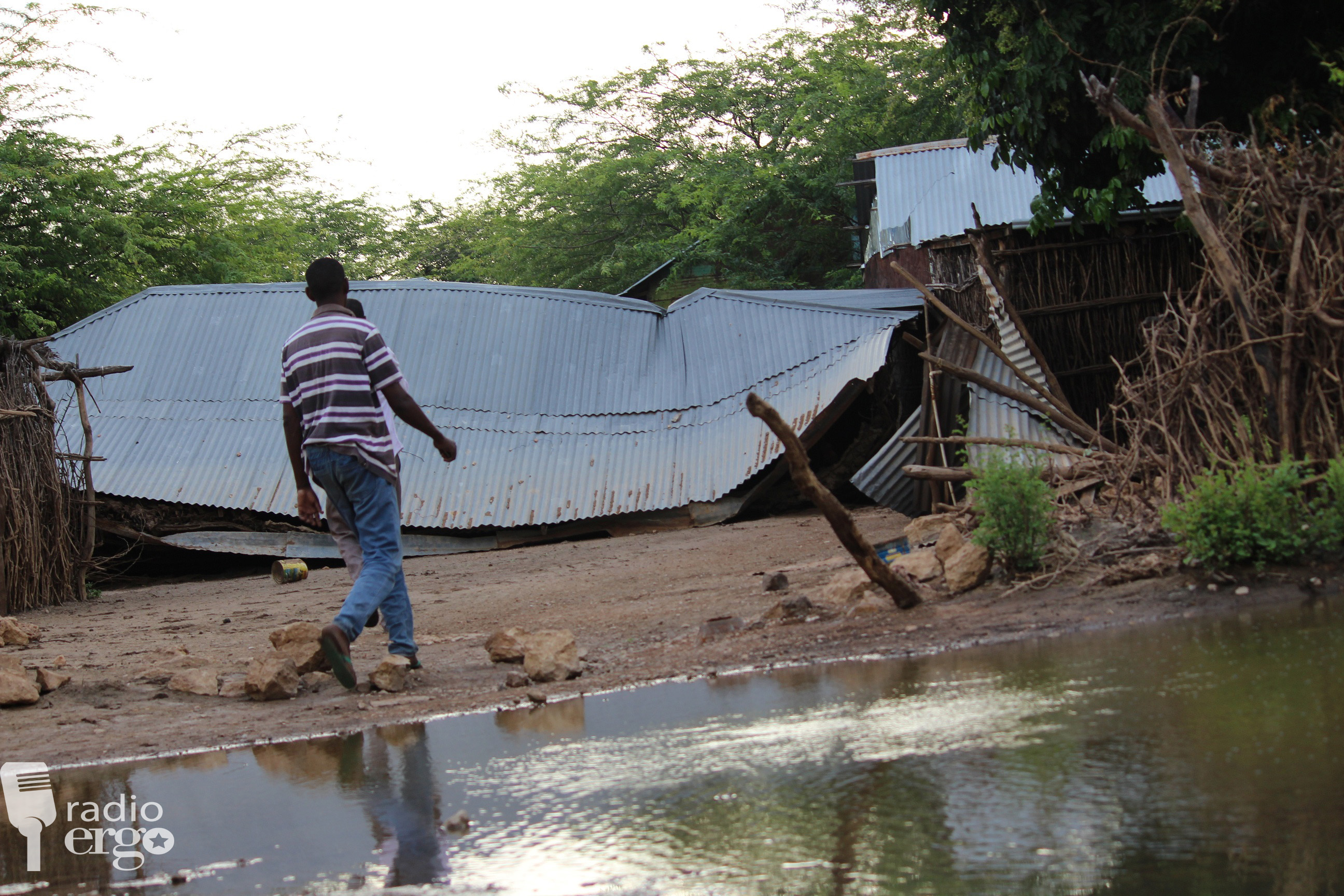
Beeralayda Buuhoodle oo dadaal ugu jira inay ka soo kabtaan abaartii

Sawir/kaydka/Ergo

0
SHARES
Share on FacebookShare on Twitter

An environmental study carried out by Somali researchers has found that vegetation in parts of the arid northern regions have shrunk by 80 per cent in the last 30 years, contributing greatly to the ongoing cycle of drought in Somalia.

Saed Shidad, lead researcher from Puntland State University, visited the regions of Mudug, Nugal, Bari, Sanag, Sool and Awdal, conducting interviews with local people and surveying sites. The survey, carried out from April to November, found that trees in highland areas have declined by a third.

According to the researchers, a population surge, lack of investment in rural areas, over grazing, deforestation, soil erosion, and changes in climatic patterns have all contributed to the devastating droughts experienced in recent years.

These regions have always received low rainfall but rain that used to was now proving to be totally inadequate given the other factors.

“When it rained for a short while 30 years ago people used to see the benefits and there were no large displacements of people. But now the same little amount of rain attracts scores of people migrating to wherever it falls,” Saed said.

Increasing deforestation has led to higher levels of soil erosion and the drying up of what were once grazing lands.

The researchers recommended that local authorities took part in widespread awareness campaigns to make pastoralist communities and urban residents understand the consequences of what is happening and how to plan to mitigate the damage. They advocated a mass tree planting campaign.

Saed identified the resettlement of displaced families as a priority in the long term solution to the ongoing environmental degradation.
Previous Post

Somali herders pay off drought debts after venture into farming

Next Post

Diarrhoea in villages and IDP camps in El-Waq, Gedo region

Related Posts

Aid cuts and lack of jobs leave displaced mothers in Dusamareb camp unable to feed their children
FOOD SECURITY

Aid cuts and lack of jobs leave displaced mothers in Dusamareb camp unable to feed their children

February 11, 2026
Pastoralists with nothing left descend on Lasanod town and surroundings in Sool
AGRICULTURE & LIVESTOCK

Pastoralists with nothing left descend on Lasanod town and surroundings in Sool

February 10, 2026
Cooperative business brings steady income to IDPs in Baidoa camp
FOOD SECURITY

Cooperative business brings steady income to IDPs in Baidoa camp

February 9, 2026
Women leaving their children behind in drought-hit rural villages to seek jobs in Mogadishu
FOOD SECURITY

Women leaving their children behind in drought-hit rural villages to seek jobs in Mogadishu

February 7, 2026
Somalia live news, Somalia latest news, Mogadishu live news, Somali news
FF Feedback

Radio Ergo audience feedback report 29 Jan- 4 Feb 2026

February 6, 2026
Rising Cost of Living
FOOD SECURITY

Losses in market fire and aid cuts throw IDPs in Dollow into crisis

February 5, 2026
Next Post
Shuban-biyood ku faafaya baydhabo iyo tuulooyinka u dhow

Diarrhoea in villages and IDP camps in El-Waq, Gedo region

FOLLOW US ON FACEBOOK

DAILY PROGRAMMES

IDAACADDA 13-FEB-2026

IDAACADDA 13-FEB-2026 by Radio Ergo

IDAACADDA 13-FEB-2026
Episode play icon
IDAACADDA 13-FEB-2026
February 13, 2026
Episode play icon
IDAACADDA 12-FEB-2026
February 12, 2026
Episode play icon
IDAACADDA 11-FEB-2026
February 11, 2026
Episode play icon
IDAACADDA 10-FEB-2026
February 10, 2026
Episode play icon
IDAACADDA 09 -FEB-2026
February 9, 2026
Search Results placeholder
Radio Ergo Weekly Newsletter
We respect your privacy.
blank
blank
blank

© Copyright 2014 - 2024 Radio Ergo

No Result
View All Result
  • Home
  • Topics
    • Latest Stories
    • IDPS/Refugees
    • Natural Disasters
    • Health
    • Social
    • Food Security
    • Education
    • Agriculture & Livestock
  • Programmes
    • Locust Programme
    • Farming Programme
    • Radio Doctor Programme
    • Women Programme
    • Entertainment Programme
  • About Radio Ergo
  • Contact Us
  • blankSomali
  • blankEnglish

© Copyright 2014 - 2024 Radio Ergo