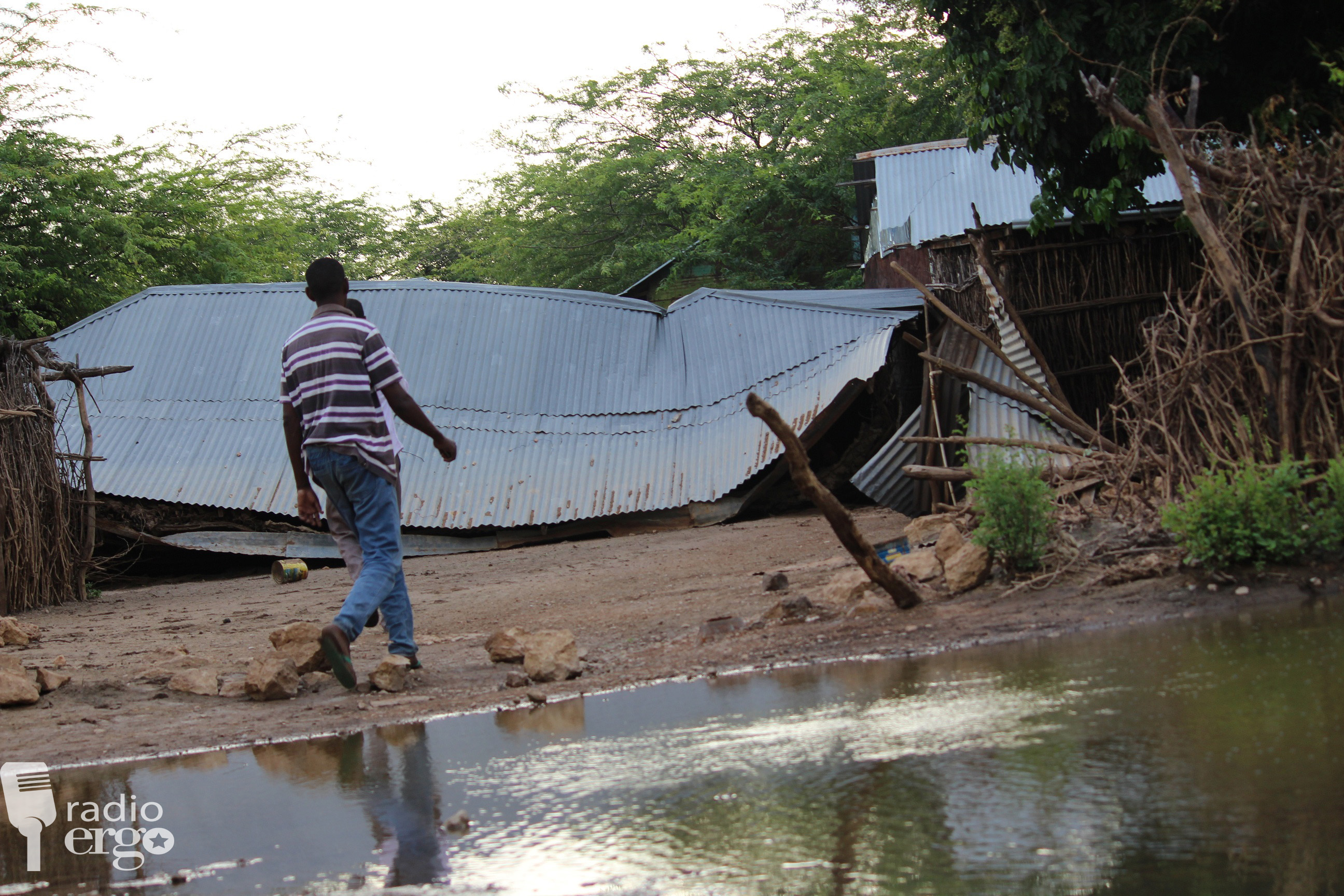
Pastoralist families with their last remaining livestock have been migrating long distances from drought-stricken parts of northern Somalia to the Al-Madow mountainous coastal area of Sanag.
Mohamud Timir paid 11 goats to the truck driver who transported his family and their animals the 113 km journey from his village in the dry Gooh-dher valley in El-Afweyn to the Al-Madow mountains.
Al-Madow is a densely forested mountain range in the east of the self-declared state of Somaliland, extending into the west of Puntland state of Somalia. It stretches from several kilometres west of Bosaso to northwest of Erigavo.
Two consecutive years of drought, failed Deyr rains, and the surge in water prices to $4 a barrel forced Mohamud and another 1,500 pastoralist families to abandon their villages in El-Afweyn.
The Regional Commissioner of Sanag, Mohamed Nur Iyon, said rainfall in October in Al-Madow has attracted many people to the coastline area stretching from Lasqoray to El-Ay, a strip of roughly 70 km.
They are able to get water from the streams flowing down from the mountains.
Mohamud lost 391 goats and 10 camels in the drought. He has 80 goats and one camel left. They are have settled in a village 35 km south of Lasqoray.
Some families attempting to reach the coastal area met with insurmountable challenges along the parched, dusty routes and had to give up on reaching their destination.
Suad Ahmed, a mother of nine children, migrated with 30 goats hoping to reach Al-Madow. But the animals were too weak to finish the journey and they stopped at Harko-dhere, 50 km south of Badhan. She said they find it hard to get water as the prices are so high. They only cook once a day due to their diminished means.
The Puntland authorities declared a state of emergency following the prolonged drought. Sanag region is the worst hit area, according to the regional commissioner. Around 70 per cent of the region received no rain at all this Deyr season. The other 30 per cent received very little.
There are concerns that pastoralist families will not be able to recover from this drought. The dry Jilal season is about to start and the future looks bleak for these destitute families.