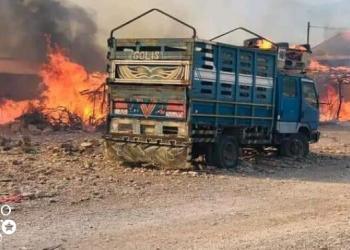


Medical personnel are calling for the urgent reopening of national blood bank facilities in the Somali capital Mogadishu following the terrorist truck bomb disaster on 14 October that killed at least 358 people and injured more than 200.
Roble Ahmed Idle, a writer who volunteered with the Emergency Response Committee in the aftermath of the bombing, said the lack of blood raised the death toll. He knows five people who died as a result of a lack of available blood for transfusion in the course of rescue operations.
The deputy director of Mogadishu City hospital told Radio Ergo that three people died due to a lack of blood in the hospital. Staff members were able to donate blood to save 12 people. 41 injured people were admitted to this hospital.
The national blood bank facility in Mogadishu has been closed for 27 years. Displaced people have settled in the grounds and buildings of the facility. None of the hospitals or health centres have adequate blood storage facilities.
22-year-old tuk tuk driver Abdifatah Said Mohamed was sustained severe injuries in the blast as he was working with his taxi. He was one of the lucky ones to receive blood promptly from donors in the hospital
“There was no blood in store and there was a huge problem that had not been expected. Some people died of excessive blood loss,” he said.
Adnan Abdulahi Hussein, a member of the Somali Blood Donation group, said their volunteer group helped raise awareness of the need to give blood during the crisis. They registered donors and linked the blood donations to the patients needing blood.
Adnan said they were aware that some of the injured people would not have died in the ambulances or in hospitals if adequate blood supply had been available.