Radio Ergo - Somali Humanitarian News and Information
  • Home
  • Topics
    • Latest Stories
    • IDPS/Refugees
    • Natural Disasters
    • Health
    • Social
    • Food Security
    • Education
    • Agriculture & Livestock
  • Programmes
    • Locust Programme
    • Farming Programme
    • Radio Doctor Programme
    • Women Programme
    • Entertainment Programme
  • About Radio Ergo
  • Contact Us
  • blankEnglish
No Result
View All Result
Radio Ergo - Somali Humanitarian News and Information
  • Home
  • Topics
    • Latest Stories
    • IDPS/Refugees
    • Natural Disasters
    • Health
    • Social
    • Food Security
    • Education
    • Agriculture & Livestock
  • Programmes
    • Locust Programme
    • Farming Programme
    • Radio Doctor Programme
    • Women Programme
    • Entertainment Programme
  • About Radio Ergo
  • Contact Us
  • blankEnglish
No Result
View All Result
Radio Ergo - Somali Humanitarian News and Information
Home IDPS/REFUGEES

Destitute Somali pastoralists may never return to their rural homes

Radio Ergo by Radio Ergo
May 23, 2017
in IDPS/REFUGEES
0
Destitute Somali pastoralists may never return to their rural homes
0
SHARES
Share on FacebookShare on Twitter

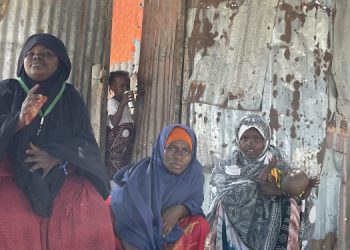
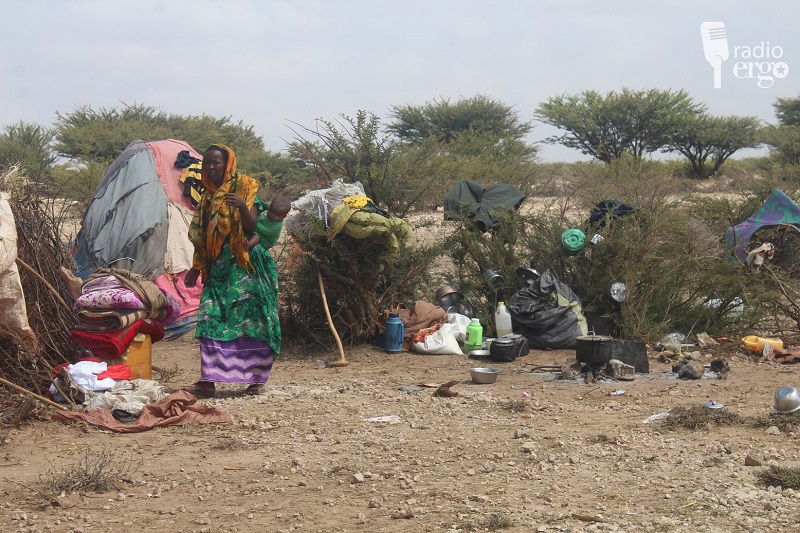
(ERGO) – Thousands of pastoralists made destitute by the drought in central Somalia’s Mudug region are opting to stay in and around the urban areas they migrated to despite the onset of rain in their villages.

Abdi Dahir Shirwa, with a family of 11, says he is better off staying in the displacement camp on the outskirts of the city of Galkayo because all his animals died in the drought and there is nothing left for him at home.

“You cannot survive without livestock in the rural areas,” Abdi told Radio Ergo. “A person with some animals left can go back, but what will someone who lost all his animals in the drought do there?”

Abdi lost his entire herd of 300 goats and 10 camels over three consecutive years of drought. He managed to survive towards the end by borrowing from local businessmen and shopkeepers, but once his last animals had died nobody would give him credit any more.

He moved his family from Saqiro village, 200 km south east of Galkayo, to the city last December. Since then he has been living in Arafat IDP camp, where he is currently earning some cash building pit latrines paid for by international NGO, CESVI.

“I am thinking of learning construction skills so I can get work on building sites to support my family here in town instead of going back,” he said.

The minister of humanitarian affairs for Galmudug authority, Shire Hersi Mohamud, told Radio Ergo they have registered 6,166 destitute pastoralist families in IDP camps in Galkayo, Hobyo, Bandndiradly, Ba’adweyne, Wisil, Saddheh-higle, Af-barwaqo and Budbud.

None of these families have a livelihood to go back to in the rural areas.

“The recent rains have not benefited these people because they have no animals to feed on the leaves and the grass that grow as a result of the rain,” the minister said.

He said his ministry would discuss with the federal government of Somalia and humanitarian agencies ways of restocking the herds of the most impoverished pastoralist families to allow them to back to their villages, or creating jobs for those families who might never leave the towns.

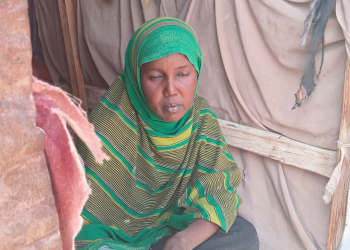
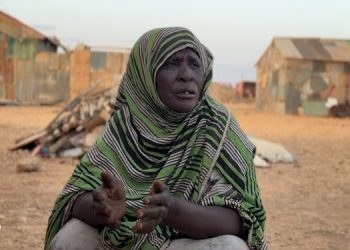
Deko Mohamed Abukar and her family of four live in a hut in Arafat camp where they moved in January. She and her husband have not found any work in town and depend on hand outs from other displaced families. Deko does not want to return to Dagari village, 30 km south of Galkayo, because their livestock all died.

Meanwhile, some pastoralists with animals remaining are moving back to rural areas of Mudug that have received some rain, hoping to be able to rebuild their traditional lives.
Previous Post

Returnee children in Mogadishu working to support families

Next Post

Armed attacks cause fear among IDP families on the western outskirts of Mogadishu

Related Posts

Loans help refugee mums revive businesses in Dadaab camps
FOOD SECURITY

Loans help refugee mums revive businesses in Dadaab camps

June 19, 2026
Shillings turn to trash in the hands of Somali small traders and poor consumers
FOOD SECURITY

Shillings turn to trash in the hands of Somali small traders and poor consumers

June 18, 2026
Scrap metal collectors in Dusamareb make a hard living for their families
FOOD SECURITY

Scrap metal collectors in Dusamareb make a hard living for their families

June 15, 2026
River floods in Ethiopia’s Somali Region leave farming families facing ruin and children out of school
EDUCATION

River floods in Ethiopia’s Somali Region leave farming families facing ruin and children out of school

June 8, 2026
Silent disease diabetes takes toll on families in Somaliland
FOOD SECURITY

Silent disease diabetes takes toll on families in Somaliland

June 3, 2026
Young Somali refugees in Dadaab invest in family-supporting businesses
FOOD SECURITY

Young Somali refugees in Dadaab invest in family-supporting businesses

May 20, 2026
Next Post
Armed attacks cause fear among IDP families on the western outskirts of Mogadishu

Armed attacks cause fear among IDP families on the western outskirts of Mogadishu

FOLLOW US ON FACEBOOK

DAILY PROGRAMMES

IDAACADDA 20-JUN-2026

IDAACADDA 20-JUN-2026 by Radio Ergo

IDAACADDA 20-JUN-2026
Episode play icon
IDAACADDA 20-JUN-2026
June 20, 2026
Episode play icon
IDAACADDA 19-JUN-2026
June 19, 2026
Episode play icon
IDAACADDA 18-JUN-2026
June 18, 2026
Episode play icon
IDAACADDA 17-JUN-2026
June 17, 2026
Episode play icon
IDAACADDA 16-JUN-2026
June 16, 2026
Search Results placeholder
Radio Ergo Weekly Newsletter
We respect your privacy.
blank
blank
blank

© Copyright 2014 - 2024 Radio Ergo

No Result
View All Result
  • Home
  • Topics
    • Latest Stories
    • IDPS/Refugees
    • Natural Disasters
    • Health
    • Social
    • Food Security
    • Education
    • Agriculture & Livestock
  • Programmes
    • Locust Programme
    • Farming Programme
    • Radio Doctor Programme
    • Women Programme
    • Entertainment Programme
  • About Radio Ergo
  • Contact Us
  • blankEnglish

© Copyright 2014 - 2024 Radio Ergo