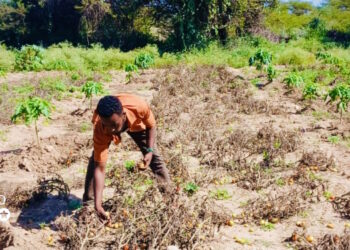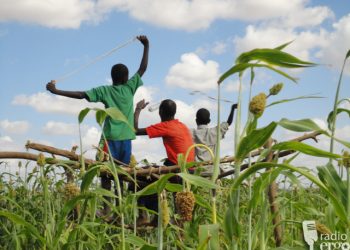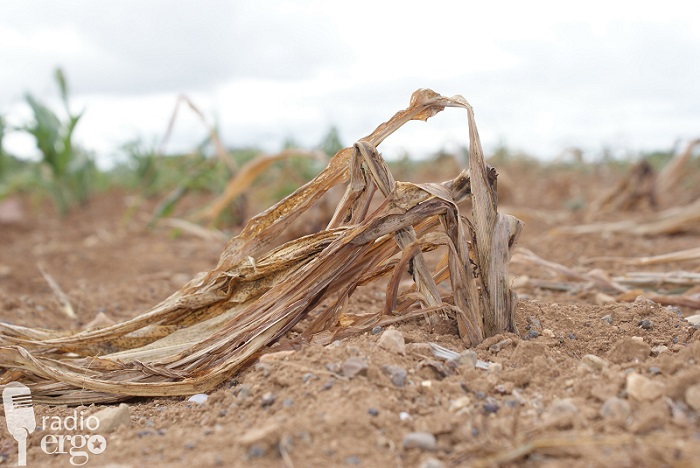
(ERGO) – Farah Ibrahim Hassan, 48, has lost everything he planted on his three hectare farm in Gabarlawe village near Beletweyne in southern Somalia twice in the space of six months this year.
After the river Shabelle flooded and washed away his crops in May, he decided to replant in mid-July. But porcupines, monkeys, pigs and birds invaded the land and ate all the crops and vegetables.
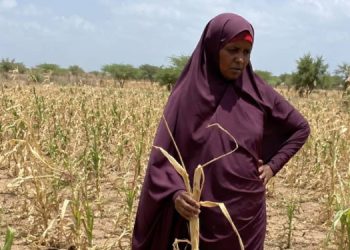
The same happened to Amina Beddel, who owns two hectares on the outskirts of Beletweyne, She said she was 12 million Somali shillings ($444) in debt after borrowing to replant after the floods.
“The maize and beans I planted again after the floods were eaten by wild animals shortly before harvest. Even at night they destroyed it and I could not keep them away,” she said.
Farah and Amina live among the communities in 94 villages along both banks of the river Shabelle that depend on river water for irrigation.
The fruit trees in the area were spared the marauding wild animals and Farah is now doing casual work on other people’s fruit farms earning around 200,000 Somali shillings ($7.4). It is only enough to buy food for his family of nine. Three of his children have had to drop out of school.
“During the floods, the schools waived the fees for one month but they refused to waive the fees for more than that or give us the chance to pay later when we get money,” he said.
“Farmers give a helping hand to each other by lending money but now we are all in a similar predicament so no one can help the other one.”
Farah is saving a portion of his meagre earnings to buy seeds, planning to replant for the third time this year when the ‘deyr’ rains start as expected at the end of October.
Abdi Hussein Roble, a food security expert with the Food and Agriculture Organisation of the United Nations (FAO), told Radio Ergo that planting outside the optimum periods usually caused problems.
“The summer winds and the dry soil force wild animals to flock to greener areas to get food. If planting has been done before the appropriate period when there is not yet any grass in the wider area the animals will seek food from the farms,” he explained.
He said food shortages would persist until next February, when the farms planted in the ‘deyr’ season would be harvested.
Meanwhile, with much local produce destroyed, staple foods are being brought to Beletweyne from Ethiopia for sale at high prices. According to local businessman Gallad Ahmed, a sack of beans is up from the price before May of 700,000 Somali shillings ($25.9) to 1.4m Somali shillings ($51.6). A sack of maize is up from 350,000 Somali shillings ($12.9) to 560,000 Somali Shillings ($20.7). Gallad said there were many villages in Hiran that had produced nothing.