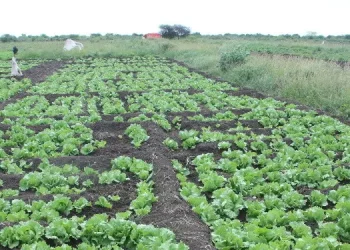


(ERGO) – A vegetable farm owned and run by a co-operative of disabled people on the outskirts of the southern Somali town of Baidoa is making enough profit to comfortably support the lives of the 26 members and their families.
Mukhtar Ali Ishak, chairman of the group, said the farm has taken off over the past two years since they decided to concentrate on vegetables and to use irrigation.
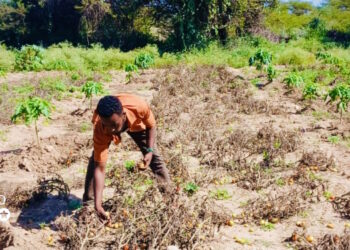
“We made huge losses several times as our maize, sesame and sorghum dried up,” said Mukhtar. “So we decided to turn the field into a vegetable farm after renting a water pump to irrigate the fields from one of the wells.”
The farm is now producing food worth around $2,000 at each harvest. This week, they will be selling their onion crop in the local market. Each member of the group, which includes nine disabled women, can expect to earn $20.
The four-hectare land was bought six years ago by the group with support from local businessmen, the diaspora community, and a local organization the Fursad Fund. The total investment in purchase and clearing the dense bush from the land was $40,000. The group remains with a loan of $5,200 that it is hoped to clear soon.
Five able bodied workers are paid $50 a month to work on the land. Currently improvements are ongoing to construct an underground water reservoir (berkad) and repair one of two wells.
Mohamed Aden Hassan, 39, lost his legs in fighting in Baidoa 18 years ago. He turned to farming after his livestock died in the drought. He decides what vegetables to grow each season, according to market demand.
He says the farm has given him back his independence.
“My family and I have gone through difficult times and were dependent on other people before we started this farm. It used to be very hard to cook once a day for the children or send them to school every day. But now I am a self-sufficient man, we eat three meals a day, and I also pay $24 monthly school fees for four of my children,” Mohamed said. He has two wives and nine children.