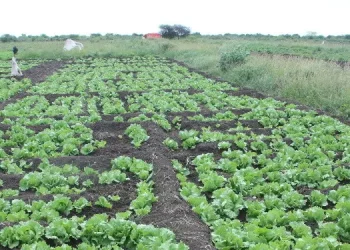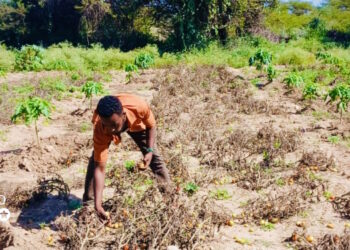


(ERGO) – Farmers in Dhobley in southern Somalia’s Juba region are celebrating the best harvest of cash crops they have had in three years thanks to successful water conservation.
Since the harvest last month, locally produced vegetables have come down in price. Traders are no longer bringing in so much fresh produce from nearby cities of Kismayo, 230 km away, or Garissa 190 km away in north-eastern Kenya.
Bashir Yussuf Ahmed, a Dhobley farmer, told Radio Ergo the reason for their success – after two years of minimal rain and miserable harvests – was that they had dug underground water storage tanks, ‘berkeds’, to keep enough rain water for irrigation purposes.
He and three other farmers sharing a plot of 12 hectares had harvested 1,800 kg of tomatoes and made SOS 27 million ($ 1,200).
Mohamud Abdi Mumin, the chairman of Waamo farmers association, said there had been a great improvement with the availability of water from the ‘berkeds’ and all the farmers in this area north of Dhobley had benefited.
Water flows down through the Lagdera plateau, which stretches from Kenya over the border up to Dhobley. The farmers made channels leading to water dams that facilitated the catchment of water for cultivation. A number of dams had been prepared in 2014. They filled up with the last rains.
“The water from the plateau used to pass us by and head to Afmadow district, but now since we have put in place water catchments, we are able to take advantage of it,” Mohamud said.
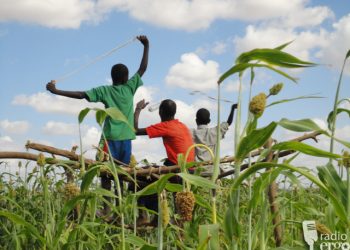
The crops grown include tomatoes, onions, watermelons, carrots, bell peppers, maize, beans and sorghum.
The abundance of vegetables has led to lower prices in the market. In mid-June, tomatoes sold at SOS 50,000 ($2.2) per kilo and are now going for SOS 15,000 ($0.8). Bell peppers have fallen from SOS 40,000 to 10,000.
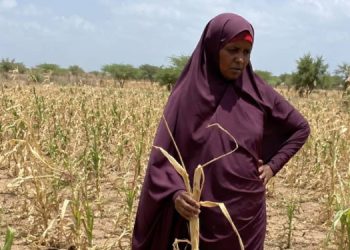
Mahamud said the good harvest had encouraged 30 farmers who had given up on the land to return to cultivation after several consecutive seasons of loss.
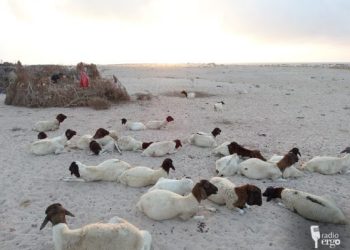
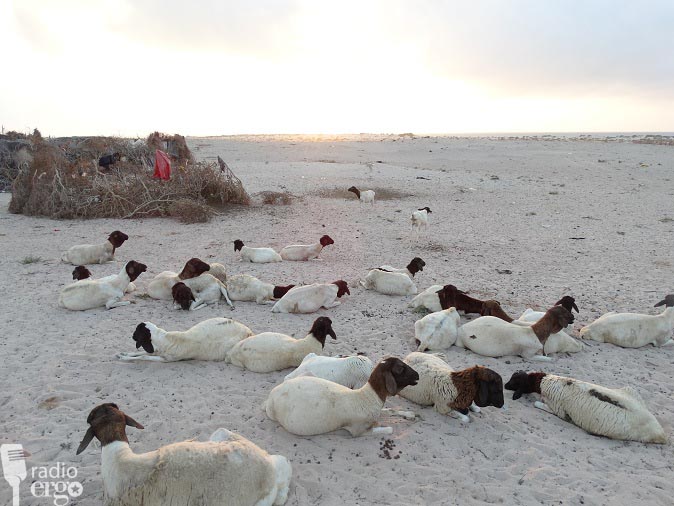
People from Dhobley traditionally were not known to practise farming and most were pastoralists depending on their animals and livestock trading. There are now 18 agricultural cooperatives with a total of some 220 members.