Radio Ergo - Somali Humanitarian News and Information
  • Home
  • Topics
    • Latest Stories
    • IDPS/Refugees
    • Natural Disasters
    • Health
    • Social
    • Food Security
    • Education
    • Agriculture & Livestock
  • Programmes
    • Locust Programme
    • Farming Programme
    • Radio Doctor Programme
    • Women Programme
    • Entertainment Programme
  • About Radio Ergo
  • Contact Us
  • blankSomali
  • blankEnglish
No Result
View All Result
Radio Ergo - Somali Humanitarian News and Information
  • Home
  • Topics
    • Latest Stories
    • IDPS/Refugees
    • Natural Disasters
    • Health
    • Social
    • Food Security
    • Education
    • Agriculture & Livestock
  • Programmes
    • Locust Programme
    • Farming Programme
    • Radio Doctor Programme
    • Women Programme
    • Entertainment Programme
  • About Radio Ergo
  • Contact Us
  • blankSomali
  • blankEnglish
No Result
View All Result
Radio Ergo - Somali Humanitarian News and Information
Home AGRICULTURE & LIVESTOCK

AGRO-PASTORALISTS IN GABILEY AFFECTED BY DROUGHT

Hemed Abdiaziz by Hemed Abdiaziz
June 15, 2015
in AGRICULTURE & LIVESTOCK
0
Dadka Lo’da ku dhaqda Baladweyne oo nafis-dhaqaale dareemay

Keydka Ergo

0
SHARES
Share on FacebookShare on Twitter

Poor rains have badly affected the agro-pastoralist community in a remote part of Somaliland’s Gabiley district.

Mohamed Abdisamad Qalinl, talked to Radio Ergo about the conditions faced by himself and others in the village of Geed-baladh, which is 250km from Gabiley town.

Mohamed: The situation here is now grave – the short rains have failed, so we were not able to plant anything. Most people have crossed over to the Somali region of Ethiopia in search of food, pasture and water.

Ergo: Is it this year that you have not received any rains?

Mohamed: Yes. It’s this year that we missed the ‘gu rains [April to June] and as a result there is a biting drought that is badly felt in the area.  We have not been able to harvest any grass to feed our animals and we depend on them for our living. There is no vegetation, everything has dried up.  The remaining livestock are very weak. Livestock diseases are also adding to our predicament.

Ergo: What problems have you yourself faced?

Mohamed: I have lost several animals to disease and hunger. I’m also looking starvation in the eyes as we can’t plant now, at this time we should be harvesting!

Ergo: Are these problems shared across the settlement?

Mohamed: Animals across Geed-balaadh are affected of course, but the worst thing was disease that nearly wiped out the herds especially the goats. Thankfully the Somaliland administration sent a team of veterinary officers who managed to contain it.

Ergo: You said people were moving to the Somali region of Ethiopia. How far is it from where you are?

Mohamed: Our town lies along the border.

Ergo: What about water, do you have enough to drink?

Mohamed: There is a shortage of water but that is not the worst part of our problem, it is the lack of rain that is worse. As we speak now, it has just started to rain a little – but this is the first time we are seeing rain drops since March this year.

Ergo: You said you are agro-pastoralists, do you plant grass for the animals as well as food for human consumption?

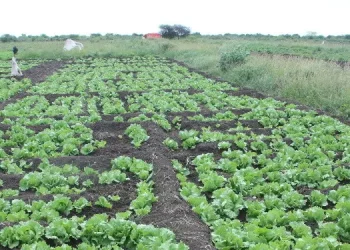
Mohamed: We normally plant with our animals in mind. While we plant food crops, we also plant grass, from which we make hay to cater for our animals during the dry season. We plant crops such as vegetables, tomatoes and beans which we take to the market.

Ergo: Where do you market your produce?

Mohamed: We can sell in Hargeisa, Wajale, Borama and Gebilley. We normally plant cash crops like tomatoes during the first six months of the year – but this year we have not planted due to failed rains so we will not have any harvest.
Previous Post

Farmers fleeing drought arrive in Bardale

Next Post

Displaced families in Gedo short of food

Related Posts

Pastoralists with nothing left descend on Lasanod town and surroundings in Sool
AGRICULTURE & LIVESTOCK

Pastoralists with nothing left descend on Lasanod town and surroundings in Sool

February 10, 2026
Somali refugees in Dadaab decry cutting of cash transfers for food
AGRICULTURE & LIVESTOCK

War and drought in Puntland continue to punish displaced families in Bari region

February 3, 2026
Lower Juba farmers get good harvests that help recovery from 2023 river floods
AGRICULTURE & LIVESTOCK

Mudug pastoralists earning good income from farming vegetables

January 27, 2026
blank
AGRICULTURE & LIVESTOCK

Baidoa IDP camps fill up with drought-hit farming and herding families

January 26, 2026
Women in Kismayo make survival income selling acacia seeds as drought fodder
AGRICULTURE & LIVESTOCK

Women in Kismayo make survival income selling acacia seeds as drought fodder

January 19, 2026
blank
AGRICULTURE & LIVESTOCK

Greenhouse farm in Mogadishu employs displaced rural farming youth

January 16, 2026
Next Post
Adeegsiga lacagaha taleefonadda la isugu diro oo carruurta kabaha caseeya dhibaato ku haya

Displaced families in Gedo short of food

FOLLOW US ON FACEBOOK

DAILY PROGRAMMES

IDAACADDA 10-FEB-2026

IDAACADDA 10-FEB-2026 by Radio Ergo

IDAACADDA 10-FEB-2026
Episode play icon
IDAACADDA 10-FEB-2026
February 10, 2026
Episode play icon
IDAACADDA 09 -FEB-2026
February 9, 2026
Episode play icon
IDAACADDA 08-FEB-2026
February 8, 2026
Episode play icon
IDAACADDA 07-FEB-2026
February 7, 2026
Episode play icon
IDAACADDA 06-FEB-2026
February 6, 2026
Search Results placeholder
Radio Ergo Weekly Newsletter
We respect your privacy.
blank
blank
blank

© Copyright 2014 - 2024 Radio Ergo

No Result
View All Result
  • Home
  • Topics
    • Latest Stories
    • IDPS/Refugees
    • Natural Disasters
    • Health
    • Social
    • Food Security
    • Education
    • Agriculture & Livestock
  • Programmes
    • Locust Programme
    • Farming Programme
    • Radio Doctor Programme
    • Women Programme
    • Entertainment Programme
  • About Radio Ergo
  • Contact Us
  • blankSomali
  • blankEnglish

© Copyright 2014 - 2024 Radio Ergo