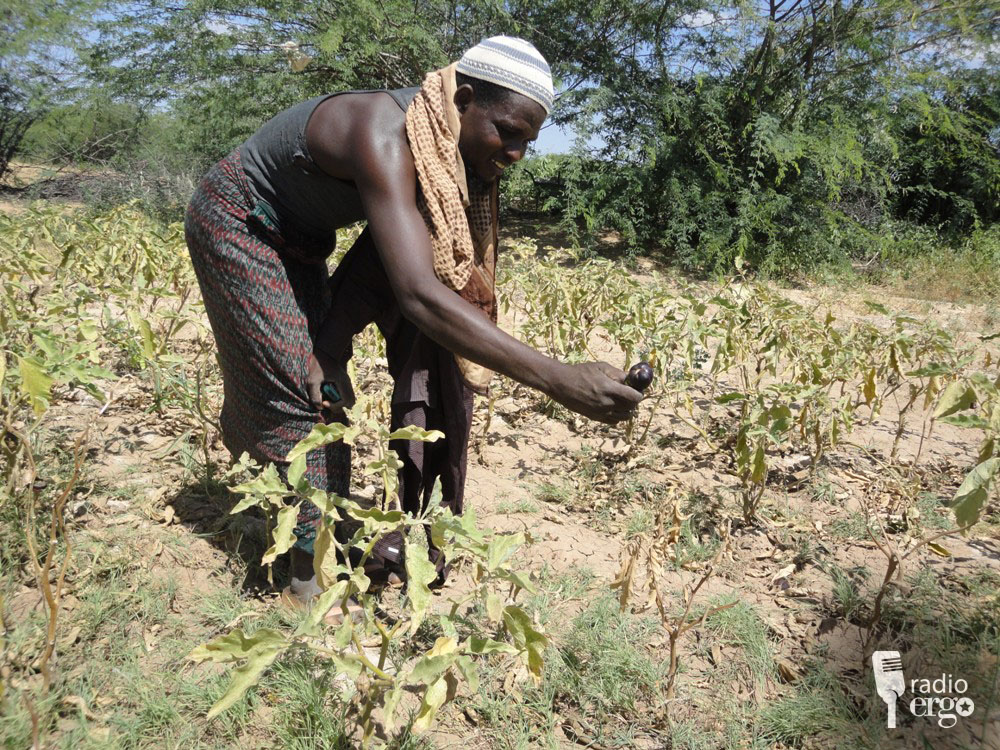


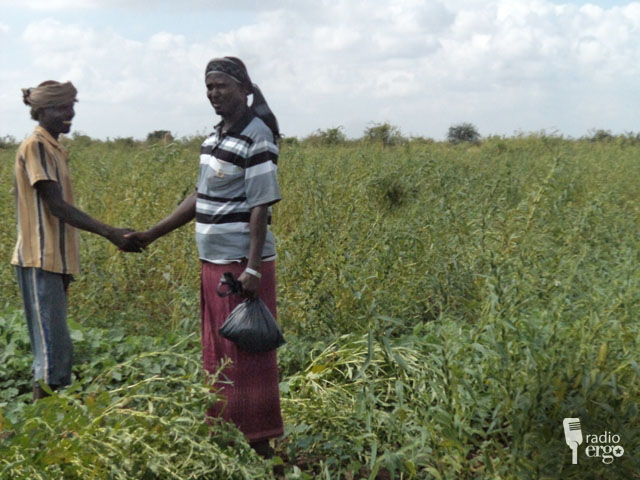
Tomato farmers in Jowhar district of Middle Shabelle region say tomato production has severely declined due to plagues of insects and crop diseases.
Mohamed Ali Afrah, tomato farmer, said pesticides at their disposal were ineffective to kill the pests that have been destroying their crops for a long time.
“Since the river floods of 2013, new deadly plant diseases emerged causing tomato plants to dry up. Any plant affected by such diseases appears like it was burnt by fire,” added Afrah.
Jowhar is now facing shortage of vegetables products including tomatoes and fruits. Produce from Mogadishu and Jalalaqsi in Hiran are being brought in to the local market, according to Lul Nur Ma’ow, who is a long time vegetable seller.
“Tomatoes are now brought from Mogadishu. They have become expensive. 20 kg of locally produced tomato was So sh 70,000, but the same from Mogadishu is So sh 300,000,” she said.
Agricultural expert professor Omar Salah Abdi, a lecturer at Middle Shabelle University in Jowhar, told Radio Ergo that such diseases often arise as a result of climate change and wrong use of pesticides.
“Tomato plants always need a dry climate and should be kept at medium temperature, but during wet seasons, some diseases emerge that damage the plants and spoils the fruits. The biggest challenge is the lack of agricultural knowledge and the poor knowhow in fighting different plant diseases that affect farms,” said Prof. Omar. “Over application of pesticides damage crops and can lead to unknown diseases,” he underscored.
Adal Abdille Ali is among the local vegetable sellers now struggling to do business. “We used to make a good profit selling the locally produced tomatoes, bought direct from the farms, but things are not the same now. I don’t have much money to buy a lot of the imported produce to sell,” she said.