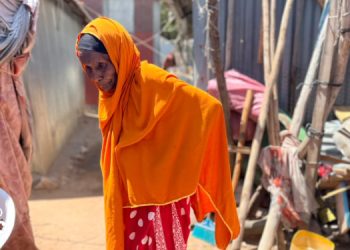


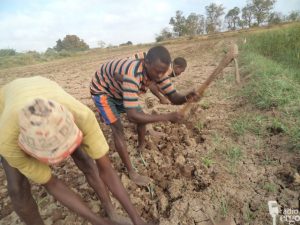
 Farmers in Middle Shabelle’s regional capital Jowhar have begun to plant again, nearly a year after river floods washed away their fields and last harvest.
However, most are complaining that they lack enough seeds for planting.
Abdi Mohamed Qadin, who normally grows white rice, said they have suffered major soil erosion in the area and most seeds for his normal crop have been spoilt or damaged.
“The floods left us without seeds and paralyzed the whole farming industry in the region,” Qadin told Radio Ergo’s local reporter.
“We don’t have seeds for white rice, therefore most of the farmers are planting maize and beans, these are the seeds available,” Qadin said. White rice is usually the most common crop grown in the region.
More than 2,500 hectares of land are expected to be sewn with maize and beans this season, according to Radio Ergo’s reporter in Jowhar.
The Barwaqo canal, the district’s major water supply for irrigation in the north, will be enough to feed water to farmlands across the town.
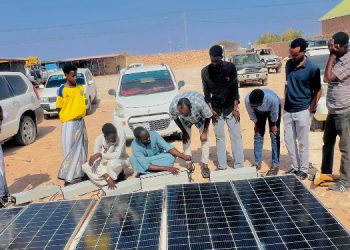
The revival of Middle Shabelle’s farming industry will create jobs for many young people idling in town due to lack of jobs. Ibrahim Mohamed Ali, who has been jobless for months, is among dozens of young men now earning from working at farms. “I come to work at 6am and after evening hours I go back home with some money!” Ali told Radio Ergo.