

(ERGO) – Women relying on selling camel milk to support their families in Hargeisa are facing growing hardship, as the prolonged drought has forced pastoralists to move their herds far from the city.
For more than a decade, camel milk sales provided a modest but steady livelihood for dozens of low-income women. Milk brought from nearby rural areas every morning is usually sold in neighbourhoods across the city, but since September the supplies have dried up.
Gasira Mohamed Jama, a mother of 13 children, told Radio Ergo that close to 100 women who depended on milk sales are now out of work and income.
She has sold camel milk for 14 years, earning about five dollars a day to pay for the family’s basic needs.
“This situation started around September. Since then, we have faced hunger, our children have stopped going to school because we can’t pay, and some families have been evicted for failing to pay rent,” Gasira said.
She explained that camel herders were forced to migrate to distant areas after grazing land and water sources dried up due to poor rains. With no milk to sell, she tried to find alternative work but found nothing reliable.
Gasira said her family survived on credit until shopkeepers cut them off after they failed to repay a debt of $500. She has found little in the way of casual work despite looking for jobs.
“The conditions we are living in are extremely hard. The drought has been harsh. Our lives depended on that milk, and now we have lost it. We don’t have another job to replace it. The challenges are many. Our children don’t have breakfast, lunch or dinner. We just look at each other,” she said.
Her husband worked as a casual labourer in construction until January, when the company he worked for replaced local workers with foreign labourers willing to accept lower pay.
“Life is about finding food three times a day. When the milk that sustained us disappeared, what do you expect? Before, we depended heavily on camel milk, but now there is drought. The burdens are too many, and we have no savings,” Gasira said.
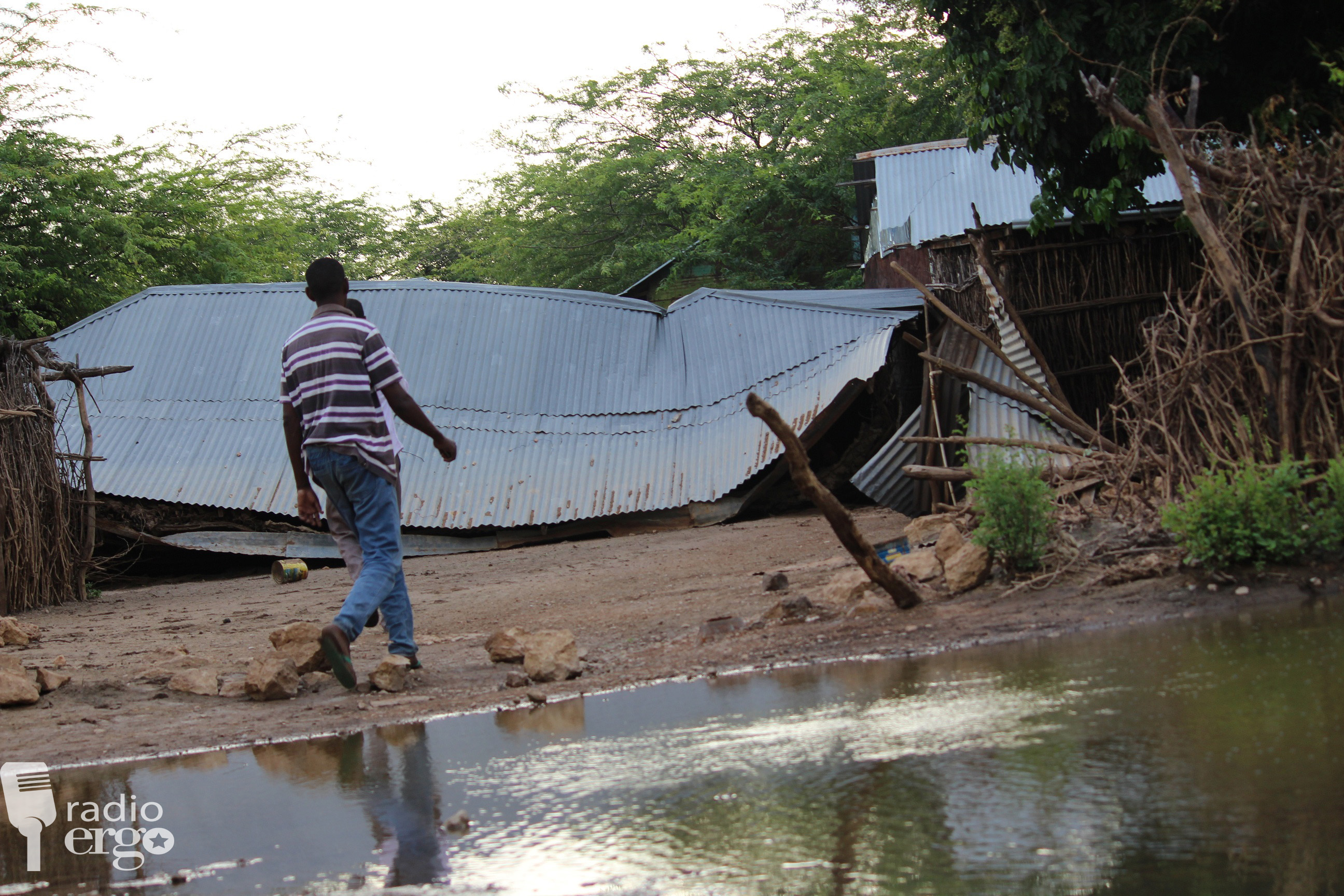
Five of her children have been out of school since October as she couldn’t pay the $41 fees. The family was evicted after failing to pay $30 rent for their two-room iron-sheet house, leaving them without proper shelter.
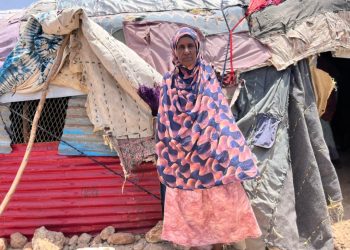
“The landlord tolerated us for two months, but by the third month we were evicted. Our belongings were thrown outside. We use pieces of cloth as shelter. Sometimes at night it feels like water is dripping through the blankets. We are staying on someone else’s land, in a small makeshift hut. The biggest problem is the cold,” Gasira said.
Another milk seller, Amina Mahmoud Hassan, said her household of 11 people has often gone without food since August, when she last sold camel milk. She has worked for 17 years in the trade.
“These days, we prepare a meal with small, irregular help from neighbours and relatives,” Amina said.
Her husband, aged 75, is unable to work. Her sales of 30 to 40 litres of camel milk a day had been earning about seven dollars, enough to cover basic needs.
The milk was supplied by pastoralists from Mado-weyn, Balayga-cas and Ba’ado villages, located 18 to 40 kilometres from Hargeisa.
“That milk paid for food, education and everything else in our lives. We have lost it because of drought and many problems have ensued since,” she said.
The family has also been evicted after failing to pay $45 in rent. Relatives offered them a single room to squeeze into. The children no longer attend school or Koranic classes due to lack of fees.
Somaliland pastoralists say they too are struggling. Ahmed Yusuf Ali, who owns 53 camels, said the pasture and water sources for his livestock have disappeared due to climate change and reduced rainfall. He was forced to leave Mado-weyn in September in search of water and fodder.
Ahmed had been supplying 40 litres of milk daily to Hargeisa, earning around $600 a month to support his family of six. Now he has to rely on food bought on credit.
“Rural life depends entirely on livestock. Milk was sold and exchanged for food, clothes and everything we needed. When milk declined, food declined. The camels weakened, the animals suffered from drought, and the market stopped buying. That is the pressure we are facing,” he told Radio Ergo.
He added that women in Hargeisa who used to buy his milk have continued calling, but he has to tell them the camels no longer produce anything.