(ERGO) – Hundreds of women living in displacement camps in Garowe who earned a small though steady income collecting and selling scrap metal have been set back by Puntland’s ban on the scrap metal trade.
In September, the Puntland authorities banned the selling of scrap metal, forcing the closure of companies that bought the materials from local women daily scouring the streets for the scrap.
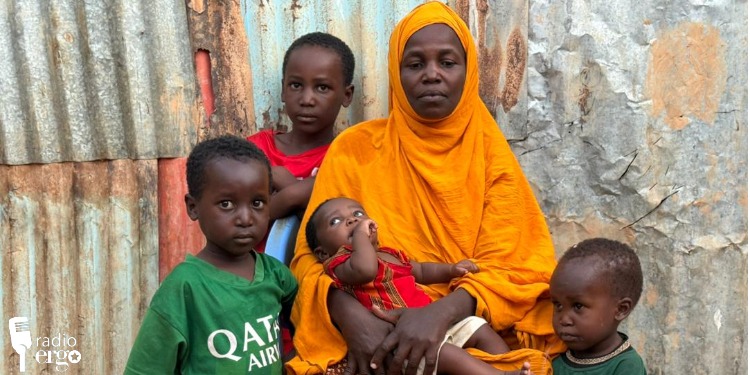
Asha Olow Ibrahim used to bring home three to four dollars a day selling the scrap she had collected. Her husband, a casual labourer, also lost his job due to changes in the construction industry with contractors hiring fewer daily workers.
“We are starving. Our children have nothing to eat, they don’t go to school, and most days we sleep hungry,” she said. “When we have nothing, we knock on our neighbours’ doors asking for a little rice,” she told Radio Ergo.
Every morning, Asha walks four kilometres from her shack in Jingadaha camp to Garowe town, looking for jobs washing clothes or cleaning compounds, but usually finding no work.
In November, the small shop in the camp where she bought food on credit stopped extending her further loans. The shopkeeper, aware of her family’s declining situation, demanded repayment of the $40 she owes first.
Three of her children were sent home from school in November when she failed to pay the $15 monthly fee.
Asha’s family were among the 7,000 people forcibly evicted from Lasanod in Sool region last year by the Somaliland authorities, who accused them of involvement in insecurity at the time.
During the eviction, the small shop she ran selling groceries and women’s items was destroyed. Soldiers forced them out of their home at night, giving them no chance to save any of their belongings.
“We fled from Lasanod. We had nothing. Our belongings are still there. Soldiers came at night with guns, and by dawn we were thrown out. My husband was taken away overnight; we were forced out at sunrise,” she recalled.
They came to Garowe but with this latest blow, the family is considering returning to Qalafe in Ethiopia’s Somali Region, where they lived before drought forced them to migrate to Somalia in 2000.
Relatives have encouraged them to reclaim a small farm they owned in Qalafe, although for now the family cannot afford the transport costs to move.
Awliyo Ali Bule, another displaced woman in Garowe, supported her household collecting plastic bottles and scrap metal scrap, earning enough to provide two meals a day for her eight children.
Now her family is getting small amounts of food from relatives in Garowe, but when there is nothing, she leaves her phone as collateral at nearby shops in exchange for food on credit, redeeming it when she finds someone willing to pay off her small debt.
Awliyo was evicted from a small, rented plot inside the camp in November, as she had three months of rent arrears totalling $15. The landowners gave her plot to another family able to pay.
She and her eight children moved to a hut provided by relatives, too small for them all to fit in, and depend entirely on the generosity of other displaced families.
Awliyo’s family came to Garowe five years ago after losing dozens of their livestock to drought and disease in the rural areas of Nugal region of Puntland.
“We used to collect plastic and metal and take it to buyer who paid us 15 cents per kilo. That is what fed our children. Now no one buys scrap and everything has been stopped. There is no work to do – we just sit in our shelters,” she said.
The head of the Shabelle IDP camps in Garowe, Abdirashid Garane, said all the estimated 800 households in Shabelle camp were now struggling to meet basic needs because of job losses, along with aid cuts and rising market prices.
“These families need food, shelter, education, water, and latrines. Both rural and urban families have joined the displaced. Aid agencies issued some [cash] cards in May and June but only 50 people received them and most of those cards have since become useless,” he stated.
He added that most displaced people were unable to find work in Garowe as they lacked skills and the market was saturated with job seekers.