

(ERGO) – Rising costs of living in Hargeisa, Somaliland, are causing many poor families to move to displacement camps as they can’t afford life in the city.
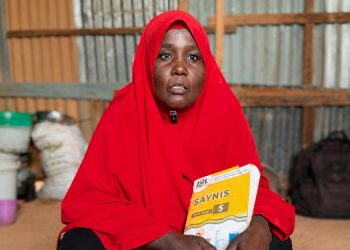
Shukri Yusuf, 60, has moved to State House displacement camp, where she says she struggles to cook one meal a day for her children. Her family failed to pay the $40 monthly rent for their house in Hargeisa’s Faluja neighbourhood and were evicted – leaving the camp as the only option.
“Life is difficult and very tight. We are living through hard times. Their father used to depend on casual work in the market. We grew up in poverty, some days we eat, some days we don’t. Now it has become even worse. The city has become too expensive, and there is no job. I have searched for work many times, but everything depends on clan connections,” she said.
When things become unbearable, Shukri calls her relatives for small amounts of money, though what she receives is little and can’t meet the family’s needs.
She has been looking for work but says jobs are given based on personal connections, leaving her hopeless. Her husband, a labourer, has been unemployed since May.
Adding to her burdens, Shukri’s 27-year-old son has been held by human traffickers in Libya since January and the family has no means to pay the ransom demanded for his release.
“I am heartbroken by what happened to my son. I cry often. I burn inside with pain. I feel abandoned by everyone, including my own relatives. I can’t stop thinking about him. I have no money to free him or even send him any support.
Sometimes I lose control; when I walk on the main road in Hargeisa, I feel like throwing myself under a car,” she told Radio Ergo’s local reporter, breaking into tears.
Shukri says the continued detention of her eldest son causes her constant anxiety, especially after seeing videos of him being tortured that were sent to her on WhatsApp.
She tried to raise funds from her relatives in rural areas to buy livestock to sell to pay for her son’s release, but the plan failed because drought killed the animals.
State House camp has received more than 100 new families unable to afford city life in the past three months, according to camp leaders.
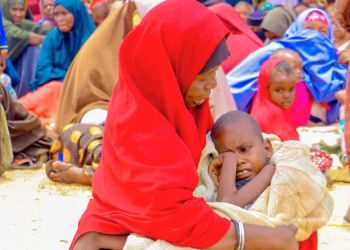
Amina Abdi Hussein also found herself in the camp after losing her livelihood. She has four children and feeding them has become a daily struggle. She joined the camp in October after being unable to cope with the rising cost of living in the city.
Two of her children dropped out of school because she couldn’t afford the fees, while one daughter in grade seven continues with support from the school administration.
She says her eldest child, aged 18, faints due to long hours of hunger, while the younger ones often go to bed without dinner.
“Today I haven’t cooked. Last night I didn’t cook. The day before yesterday, I didn’t cook either. Only God knows. On days like this, when I have nothing, I go to my neighbours and ask them to share some food. But how long can I keep doing that? My children are three, two, four, six, and nine years old. No
one helps us except God. Hunger and the poor conditions of this place are what hurt me most,” Amina said.
The families in the camp lack basic services including clean water and healthcare. The local authorities deliver two water tanks to the camp once a week. The water is shared among the families, leaving everyone short.
Casual work opportunities for her husband have decreased due to inflation and rising prices in the markets.
Another mother, Faisa Jama Hussein, who is caring for nine children, came to the camp four months when they defaulted on their $50 house rent.
Her husband used to contribute to the family income through labour jobs but is now sick and can’t work.
“My husband suffers from multiple illnesses – high blood pressure, typhoid, and recurring colds. Doctors have advised him not to engage in physical labour. In the past, he worked in construction, but he lost strength and was later hospitalised. Now, during the cold season, he can’t even get out of bed. He ties cloths tightly around his body saying his blood feels frozen,” Faisa said.
She says they can’t afford to buy the medicine he needs, though he manages to do some odd jobs despite his illness. Five of their children were sent home from school due to unpaid school fees.
The secretary of State House camp committee, Abdirisak Abdillahi Ismail, said growing congestion with so many newcomers has made the settlement unsafe.
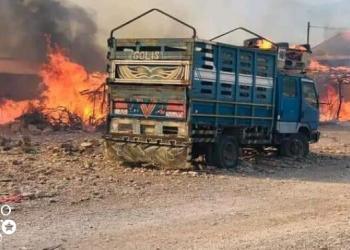
“This camp is overcrowded with no roads at all. When a fire breaks out, firefighters can’t get through. It’s very tight, sometimes when a person dies, it’s hard even to remove the body because there’s no path. Every year around 20 houses burn down because the fire spreads easily,” he said.
Abdirisak added that the camp committee had not received any meaningful assistance from the authorities. Most of the families who recently arrived had expected to find humanitarian aid, but none was available.