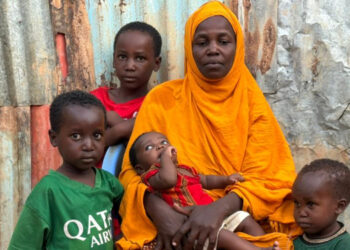


(ERGO) – Hundreds of farming families in Sanag region of northern Somalia have been displaced from their homes and farms in Dhahar district by conflict between Puntland forces and local militias.
Their businesses, farms, and homes were burned or looted, leaving them in a state of stress and economic hardship, scattered widely in displacement in Hingalol, El-buh, and Baran.
Ahmed Ali Hussein told Radio Ergo that his 22-year-old son was killed in the fighting on 28 July. His son, who had finished high school last year, was expected to take over the family’s responsibilities.
Ahmed’s cooked food restaurant and retail shop were burned down on 18 July in the conflict. His two-hectare farm, located 15 km from Dhahar, was also set on fire, destroying the millet, watermelon, tomatoes, and onions that were ready to be harvested in early August.
Ahmed, now in El-buh with his seven-member family, said they often go without food and are living off handouts from others who help when they learn about their plight.
He has an $800 debt for goods he bought for his shop in late June. He is afraid he will be evicted from his current house in El-buh as he cannot pay the $40 monthly rent. His wife, who has a mental illness and needs care, can’t contribute to the family’s income.
Fadumo Jama Ahmed, a mother of 10, said her family has not had enough food or water since they had to flee their home in the conflict. They now live as dependents with relatives after abandoning their three-room stone house that had a kitchen and a water catchment pool behind.
A 20-litre jerrycan of water costs $7 in Baran district, where she is now living after being displaced. Fadumo said they can’t afford the water and can’t get it on credit either from the donkey carts that bring water from a well a six-hour walk away.
Fadumo’s husband was a Koranic school teacher earning $200 a month, but he is now unemployed. Four of their children, who were attending intermediate and high school, have had to drop out of school because they can’t pay the $20 a month for their fees in Baran.
Fardowsa Yusuf Hussein, a mother of eight, lost her source of income due to the conflict. The family lost three rented shops that used to provide them with a monthly income of $150.
Fardowsa said their house and belongings were destroyed, and even the electrical wiring was removed. The family is now struggling to find food and can only cook one meal every 24 hours.
She is worried about her two children who have been forced to leave school as school fees in Hingalol are double what they used to pay at home in Dhahar. Fardowsa’s husband, who suffers from high blood pressure and diabetes, was taken to a hospital in Hargeisa by relatives and is still receiving treatment there.
A survey conducted by the local Agency for Development and Environmental Care (ADEC) estimated that some 7,000 people had been affected by the conflict.
The displaced families have not received any aid from relief groups or government bodies. They cannot return to their homes, even though the fighting has stopped, because they have no money to rebuild and recover.