Radio Ergo - Somali Humanitarian News and Information
  • Home
  • Topics
    • Latest Stories
    • IDPS/Refugees
    • Natural Disasters
    • Health
    • Social
    • Food Security
    • Education
    • Agriculture & Livestock
  • Programmes
    • Locust Programme
    • Farming Programme
    • Radio Doctor Programme
    • Women Programme
    • Entertainment Programme
  • About Radio Ergo
  • Contact Us
  • blankSomali
  • blankEnglish
No Result
View All Result
Radio Ergo - Somali Humanitarian News and Information
  • Home
  • Topics
    • Latest Stories
    • IDPS/Refugees
    • Natural Disasters
    • Health
    • Social
    • Food Security
    • Education
    • Agriculture & Livestock
  • Programmes
    • Locust Programme
    • Farming Programme
    • Radio Doctor Programme
    • Women Programme
    • Entertainment Programme
  • About Radio Ergo
  • Contact Us
  • blankSomali
  • blankEnglish
No Result
View All Result
Radio Ergo - Somali Humanitarian News and Information
Home AGRICULTURE & LIVESTOCK

Hard-up Awdal farmers turn to gold digging

Radio Ergo by Radio Ergo
May 20, 2025
in AGRICULTURE & LIVESTOCK, FOOD SECURITY, LATEST STORIES
0
Hard-up Awdal farmers turn to gold digging

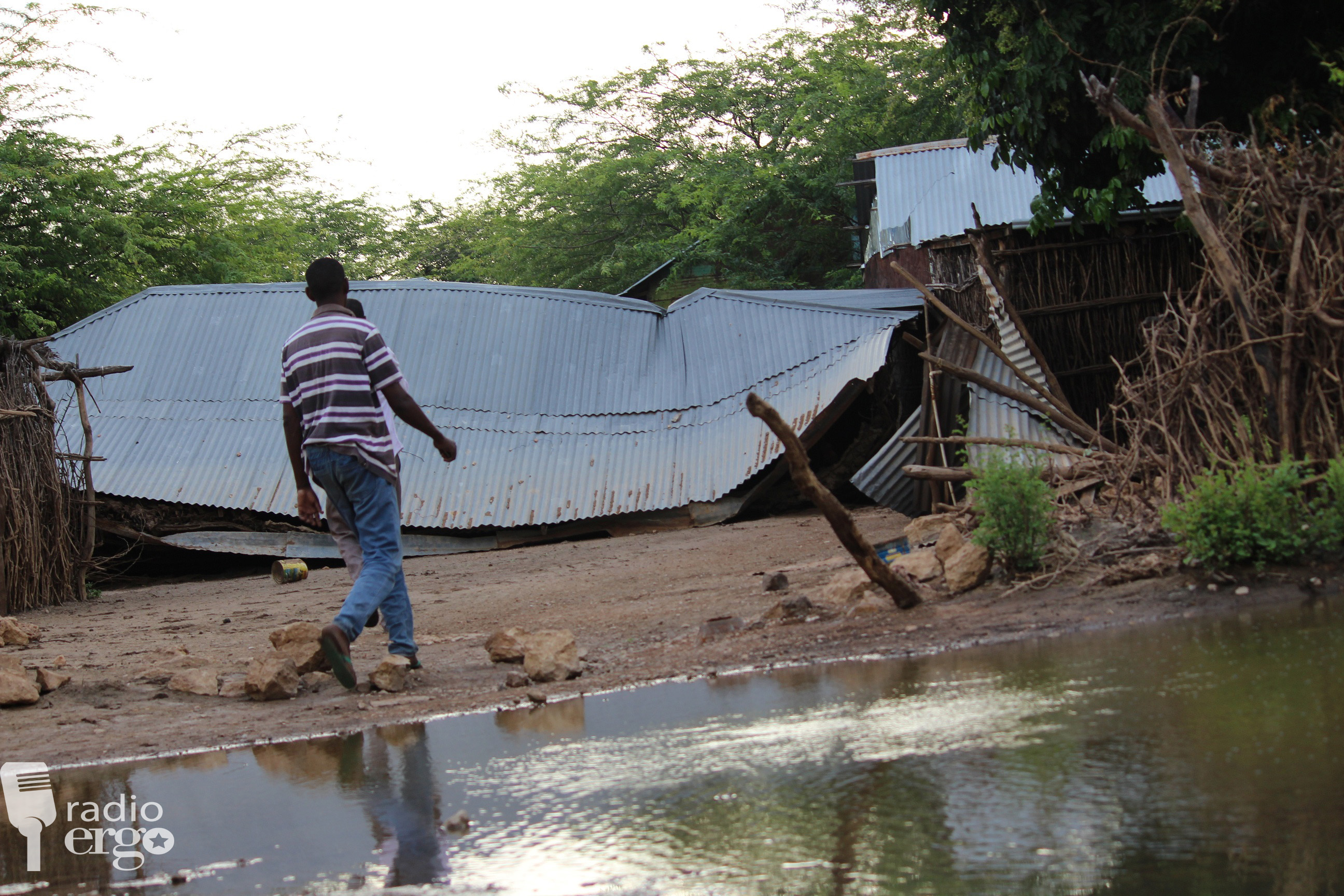
A man gathers building materials from the ground/file photo

0
SHARES
Share on FacebookShare on Twitter

(ERGO) – Since last year’s devastating floods that swept away Mahamed Dahir Madar’s two-hectare farm in Baki, in Somaliland’s Awdal region, he has turned to gold-digging to earn a living a different way.

He bought some digging equipment and works with two to three other farmers he pays to prospect for gold in the remote areas of Seemaal and Isha-cobosha, about 15 kilometres from Baki, that are known for both farming and mineral mining.

They dig up to 15 metres deep, sharing the limited tools that makes progress slow. Mahamed has to spend at least $10 a week buying three barrels of water needed to soften the soil for digging. The team works for up to 10 hours a day.

“It’s a little better than farming. At least I can find something here,” Mahamed told Radio Ergo.

“When my farm was ruined, there was nowhere to earn a living, but here if I don’t find anything this week, I might find something next week.”

His team extracts up to four grams of gold in a good week, or just two grams if less lucky. Traders buying the gold may reject what they bring if it doesn’t meet quality standards. A gram is worth about $80.

So far, he’s managing to support his family of 10 with two meals a day on his income averaging $300 a month. He is also paying off some of their debts and covering the school fees for three of his children, including one at university.

After the floods, he had no money to buy seeds and inputs to begin planting maize, beans, and vegetables on his land again.

He heard about gold mining from others also suffering losses on their farms, and has joined around 60 others from the area now mining to fill the agricultural production gap caused by floods, drought, and pests.

“Gold takes a lot of effort and we have to dig down to as far as 15 metres. Two or three workers can work there in the pit. They earn at most $150, even less, as it depends on whether gold is found on those days or not. Most workers only earn enough for their basic living expenses,” he explained.

One of those working in the pits for a wage is Mahamed Nuh Farah, whose three-hectare farm failed due to pests and disease destroying the crops he planted earlier this year.

He makes about $100 a month, or $5 a day on average, which is barely enough to keep his family of eight members fed.

“This work is just for survival. There is no other provision. With farming, sometimes you get something, sometimes you don’t. Here, you only get what you dig out each day,” he said.

Mahamed said the digging work is exhausting and he can’t save anything to reinvest in his farm despite his hopes.

“You only extract what you will eat,” he said.

“My farm survived the floods that destroyed some others, so I still dream of going back when I have the money to replant.”

Another farmer, Mustafe Cismaan Cateeye, whose six-hectare farm in Baki became unproductive as well, bought the equipment to survey and dig for gold a year ago. He learned the techniques from others and from an Ethiopian miner he once employed.

However, he says the rewards are highly unpredictable.

“The amount of gold we find has dropped recently. Now, it’s deeper underground. It takes equipment, energy, and investment, and people are weak,” he said. “You might find nothing for three months, and then God gives you $1,000 or $2,000.”

Mustafe said he pays wages for four workers, and supports his own family whilst trying to pay off their loans.

One of the worst health hazards is malaria, as mosquitoes breed in the pits and people are often falling sick as a result.
Previous Post

Transport flows and trade revives as 13-year long Al-Shabaab road blockade in Bay and Bakool is lifted

Next Post

Marginalised families in Puntland displacement camps face hunger, discrimination and neglect

Related Posts

School closes as UNICEF cuts funding leaving IDP children in Baidoa out of education
EDUCATION

Schools close across Galmudug due to drought

April 14, 2026
Drought-hit Lower Juba pastoralists flee towards the Somali-Kenyan border
IDPS/REFUGEES

Drought-hit Lower Juba pastoralists flee towards the Somali-Kenyan border

April 13, 2026
Low income Hargeisa families forced into IDP camp due to rising prices and shrinking income
FOOD SECURITY

Low income Hargeisa families forced into IDP camp due to rising prices and shrinking income

April 10, 2026
Somalia live news, Somalia latest news, Mogadishu live news, Somali news
FF Feedback

Radio Ergo audience feedback report 2-8 April 2026

April 9, 2026
Human fallout from conflict in South West state – thousands of families displaced and struggling
FOOD SECURITY

Human fallout from conflict in South West state – thousands of families displaced and struggling

April 8, 2026
High prices of water cause health and hygiene problems in Mogadishu IDP camps
FOOD SECURITY

High prices of water cause health and hygiene problems in Mogadishu IDP camps

April 6, 2026
Next Post
Marginalised families in Puntland displacement camps face hunger, discrimination and neglect

Marginalised families in Puntland displacement camps face hunger, discrimination and neglect

FOLLOW US ON FACEBOOK

DAILY PROGRAMMES

IDAACADDA 15-APR-2026

IDAACADDA 15-APR-2026 by Radio Ergo

IDAACADDA 15-APR-2026
Episode play icon
IDAACADDA 15-APR-2026
April 15, 2026
Episode play icon
IDAACADDA 14-APR-2026
April 14, 2026
Episode play icon
IDAACADDA 13-APR-2026
April 13, 2026
Episode play icon
IDAACADDA 12-APR-2026
April 12, 2026
Episode play icon
IDAACADDA 11-APR-2026
April 11, 2026
Search Results placeholder
Radio Ergo Weekly Newsletter
We respect your privacy.
blank
blank
blank

© Copyright 2014 - 2024 Radio Ergo

No Result
View All Result
  • Home
  • Topics
    • Latest Stories
    • IDPS/Refugees
    • Natural Disasters
    • Health
    • Social
    • Food Security
    • Education
    • Agriculture & Livestock
  • Programmes
    • Locust Programme
    • Farming Programme
    • Radio Doctor Programme
    • Women Programme
    • Entertainment Programme
  • About Radio Ergo
  • Contact Us
  • blankSomali
  • blankEnglish

© Copyright 2014 - 2024 Radio Ergo