(ERGO) – Training in a range of different skills provided by a local organisation has started to provide alternative sources of income for pastoralists and farmers displaced by the drought in Badhan, in Somaliland’s Sanag region.
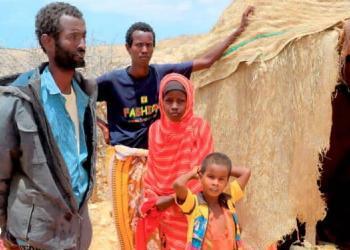
Abdirashid Abdi Mohamed, a father of eight, started beekeeping in February after being trained and equipped for this new way of making a living.
In March, he earned $480 from his first honey harvest that he sold in the market. These first earnings bode well for the family’s stability.
“It is more than enough for my family. One box can give me up to $250, so imagine what two or three boxes bring. You can feel the economic difference it makes for a family. It is a huge change,” he said.
Previously, his family depended on $70 monthly cash aid from the UN’s World Food Programme (WFP), which he said was not sufficient.
He started with one beehive and has since expanded to three. His first harvest yielded 10 kilos of honey, which he sold at $25 per kilo. He emphasised that beekeeping seemed to be a dependable source of income for his family.
“Pure honey never faces bargaining,” he said. “Once someone knows it is natural and who produced it, they have no problem buying it. People come to you asking specifically for the honey once they know your bees produce it.”
He has started buying new bee colonies to populate the additional hives and hired two workers to help with the labour. He and his family, currently living with their relatives in Badhan, hope to move out as the business strengthens.
“It’s something many people don’t understand. Beekeeping is both an income source and a source of health, a very powerful one. It can lead to economic transformation,” he said.
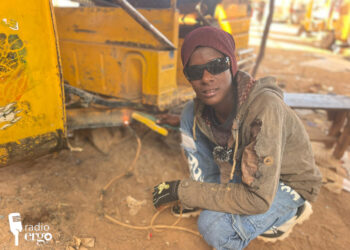
Trained in electrical repairs, Mukhtar Abdullahi Adan, a father of eight living in an IDP camp on the outskirts of Badhan, says he is now earning $15 a day.
He has taken over responsibility for the household after his father, who used to do manual labour for about $3 a day, stopped work three months ago due to old age and health problems.
“At first, I knew nothing about electrical work. Now I’m someone who can work and get paid. When someone needs wiring, I can do it and make a living from it,” he said.
His family, formerly pastoralists, lost their 40 goats over the past four years to drought and disease while living in the rural area of Dhahar.
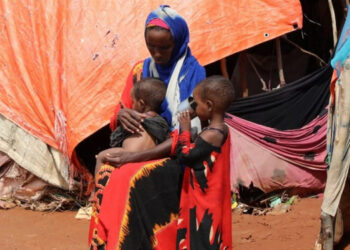
Another graduate of the skills training programme, Samsam Abshir Hasan, is making between $6 and $8 a day sewing and selling clothes in Badhan town. She is among a group of women trained in tailoring, which they can rely on for daily income.
After the six-month training, they were provided with sewing machines to begin working. Samsam supports a household of 12 people. She said it’s going well so far.
“They gave us a test during training. I came in first place and was later given the sewing machine. I’ve used it well. I sew with it and it brings me profit. During Eid, the income even increased,” she said.
Samsam’s family used to survive on small, unstable earnings from selling used clothes in town. Before that, they had lost their 30 goats to drought in 2023.
“A skill is no small thing. Tailoring is like a wall you can lean on in tough times. People usually need tailoring services. I used to buy clothes and take them to someone else to sew, paying them. Now I do everything myself – I buy fabric, sew it, and sell the clothes. I make profit from both,” she said.
The Agency for Development and Environmental Care (ADEC), with funding from WFP, provided training and necessary equipment last year to 150 displaced families in Sanag region. The aim was to enable them to learn new skills and turn them into sources of income after losing their livelihoods to drought.
Creating livelihood opportunities for farming and pastoralist families affected by recurring droughts that destroyed their traditional sources of income is envisaged to enable them to recover from hardship.