

(ERGO) – Thousands of displaced families in Washaqo in southern Somalia’s Bakool region are struggling to afford food, education, and care for their children because the cash aid they relied on has stopped.
Abdiwahab Hassan Mohamed is finding it increasingly difficult to support his four wives and 16 children. He now relies on begging in the remote village of Haarhoday, where his relatives live.
“Of the three meals a day, we only manage one. Life has become extremely tight. We hope for a solution from God, but what we receive isn’t enough. We don’t have any hope or life left,” Abdiwahab said.
The 63-year-old said walking long distances in search of assistance left him exhausted, as he often spends nights along the way. He approaches pastoralist communities but finds little relief as everyone is struggling.
Abdiwahab has an outstanding debt of $130 for food purchased earlier at a local shop, whose owner informed him that repayment of the existing debt is required before extending new credit.
“We had debts in shops in our area. Since the cash transfer stopped, life has become difficult. Shop owners who previously gave us credit have refused further loans. We owe $18,000 to others, but now we’re left with nothing. We’ve resorted to seeking help from kind people in the countryside, but even they can no longer assist us,” Abdiwahab told Radio Ergo.
His family relied on a monthly $90 cash transfer for each of his four households. This money allowed them to purchase flour, rice, sugar, pasta, and oil, providing breakfast and dinner.
The cash transfers began in June 2022, after drought killed Abdiwahab’s 147 goats and 30 camels and displaced them to Haarhoday.
However, the cash assistance programme supported by the UN’s World Food Programme (WFP) and implemented by Action Against Hunger ended in November 2024.
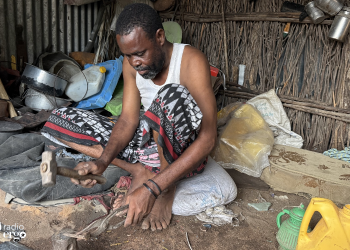
Abdiwahab looked for casual jobs such as farm labouring and collecting frankincense.
“I looked for work like harvesting resin from myrrh or frankincense trees, but there’s nothing available now. I’m tired and lack motivation. My children and their mothers depend entirely on me, but I couldn’t find anything to sustain us,” he said.
Hundreds of displaced families from villages like Haarcad, Dhuurey, Haarhoday, and Fadhiweyne have been moving into Washaqo over the past two years because of food insecurity. They have added pressure on resources among the already struggling host communities.
The Washaqo district commissioner’s office said there were 6,000 families facing food shortages, among them 4,000 had been beneficiaries of the cash aid.
Qabul Hussein Hassan’s family of 11 came to Warshaqo in March 2024, and were depending on food collected by neighbours and relatives in the city. The loss of the cash aid has affected them.
“In the past, we relied on kind neighbours and relatives who shared food with us. They would collect food from others and give it to us. But now, they face the same struggles. If we get one meal a day, we’re lucky; the children are always hungry,” Qabul told Radio Ergo.
For over a year, her children have lacked education, and now even basic sustenance is uncertain. Water access poses another challenge, as they cannot afford transport to fetch water from the well in the town, nor to pay for water from vendors.
“I don’t have a donkey cart, so my children and I walk long distances to carry water on our backs. It causes back pain, but we have no choice. We ask charity organisations to assist us with water and shelter,” Qabul said.
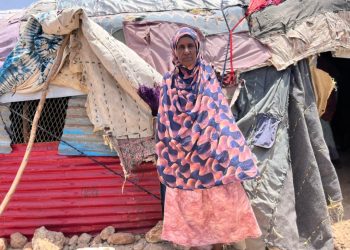
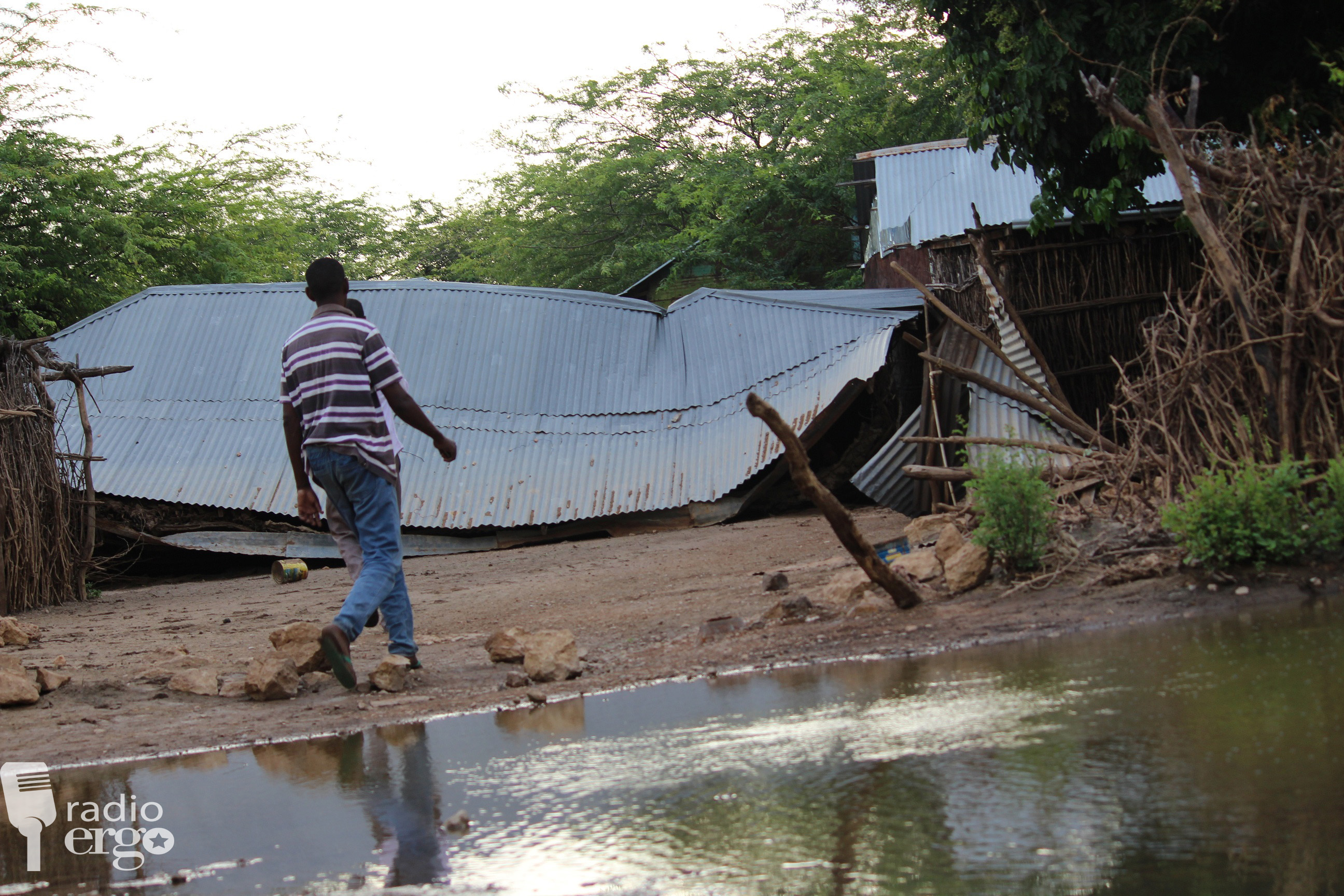
Her family lives in a flimsy shack in Washaqo displacement camp. During the day, they seek shade under trees.
Qabul, formerly a livestock herder in Ethiopia’s Somali Region, moved to Washaqo early last year after drought killed many of her goats.
Fadumo Abdullahi Macalin spends more than four hours daily begging in Washaqo streets to feed her five children. Some nights, they sleep hungry. She also misses the WFP cash aid.
“Our lives have been hard since late last year when financial aid stopped. It was our only source of income for food and necessities,” Fadumo stated.
Fatima, 32, worries about the future of her three children, whose father is unemployed. Without business opportunities, she fears for their survival.
Reasons behind the suspension of the cash transfer programme remain unclear. Radio Ergo reporters attempted to contact WFP, Action Against Hunger, and South West State administration offices in Bakool region for clarification but the requests went unanswered.