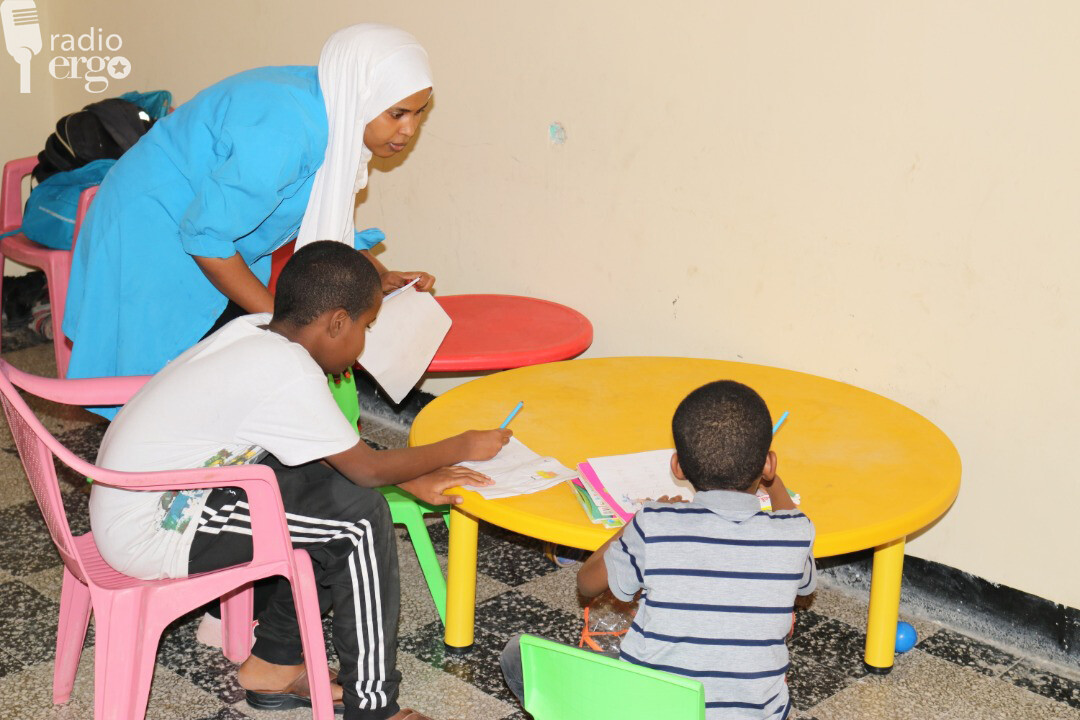


(ERGO) – The cutting of electronic cash transfers that were being given to refugees in the Dadaab camps in northern Kenya has left Somali families struggling to find enough food.
According to the camp leaders, the cash aid popularly known as bamba chakula [meaning “get your food” in the Swahili-based slang called Sheng] was cut by the UN’s World Food Programme from April due to lack of funds.
However, refugee families continue to receive rations of lentils and sorghum.
Fadumo Omar Ibrahim and her large family of 11 people have been facing food shortage in Dadaab’s Hagadera camp for the past two months following the ending of the cash transfers.
Fadumo used to receive $45 under bamba chakula that she used to buy essential food including rice, flour and sugar. She said they now cook only once a day and have to rely on neighbours for support.
“Our condition is very dire. We don’t have anything; we didn’t even make tea this morning because we don’t have sugar. We don’t have relatives abroad to support us. I can’t work, I am 60. I normally make canjero (flat bread) in the morning and we don’t even have that. We are facing hardship,” Fadumo told Radio Ergo.
She used to be able to buy powdered milk and clothing for her children. Local shops also allowed her to take items on credit as she could repay when she received her cash aid. Now she has already built up a debt of $193 with local shopkeepers, who constantly remind her to pay back her dues.
“The shop owners come to my house telling me to pay them, and I don’t have the money. I would take sugar and tea but no one can give me anything on credit, the money we got has all stopped,” she said.
She received her monthly allocation of 55 kilograms of sorghum and 16 kilograms of lentils for the month but it ran out on 20 May.
“We need the bamba chakula because we don’t have other sources of income. If we don’t get it and they [aid organisations] remain silent people will suffer,” she said.
Fadumo and her family were displaced from Mogaanbow village in Jamame district, in Somalia’s Lower Juba region, following severe drought in 2002 that left their four-hectare farm shrivelled.
Also living in Hagadera camp, Jaariyo Mukhtar Hussein says she is struggling to feed her eight children. After learning that they would no longer be receiving the aid money, she started looking for cleaning jobs but only manages to get odd jobs for about $3 a week.
She used to rely on the cash aid to buy milk, sugar, rice and flour for her young children. The two-year-old still breastfeeding finds it hard to eat the grains they are given.
“We get 42 kilograms of sorghum, and it is not good, there is no flour, no spaghetti or rice. Our children get diarrhoea and they vomit whenever they eat the food we get. It is not useful, the bamba chakula used to get us sugar, milk, salt and tea leaves,” she complained.
She is worried about their survival in the camp with few job opportunities. She can stay a week without getting a cleaning job. Her husband is a porter and also earning irregular wages.
“We are poor people, my husband goes to work in the morning and sometimes comes back with no income.
We need the WFP and the UN to get us back the chakula or take us somewhere else!” she demanded.
Hagadera camp leader, Khalif Dhubow Jelle, told Radio Ergo the cuts in cash aid would throw the destitute families into a precarious living. Businesses in the camp has also been affected because the refugees no longer have any cash to spend.
“The effects of the cash aid are huge, because this was the main source of income for the refugees. The other thing they get is sorghum and its food that has stayed for a long time before it is consumed. We were hoping to live in this camp until our country becomes peaceful but now our hopes have been dashed. The money was indispensable and people depended on it,” he stated.