

(ERGO) – Fierce clan clashes in Somalia’s Hirshabelle state have forced hundreds of villagers to flee their homes, leaving everything behind to seek safety in camps in Mogadishu.
Saido Adan Mohamed and her six children ran away from Iji village, near Mahaday, where their house and others in the village had been set ablaze during the conflict.
Saido told Radio Ergo that they walked for two days through the bush as there were no vehicles available. On reaching El-baraf in Middle Shabelle, local people chipped in to give her 50,000 Somali shillings to take a public vehicle van to Mogadishu.
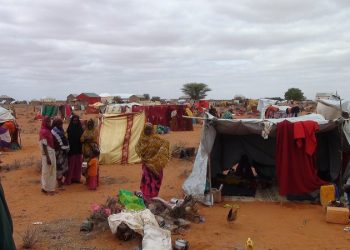
She and her children slept rough in the open for five days as she didn’t know her way around Mogadishu or where the camps were, until they came across other families also fleeing the clashes in Iji, who directed them to El-dhere internal displacement camps in Kadha district.
Since arriving in the IDP camp on 3 April, she has been struggling to cope with the trauma she has experienced as well as the day to day living challenges of supporting her children.
“We don’t have any beddings; we’re sleeping on a mat we found in a pit. Our clothes were all burned, all I have is one old hijab. We don’t have clothes to pray in, and we don’t have money to buy new clothes,” Saido told Radio Ergo’s reporter who visited the camp in Mogadishu.
“We used to have a good life, we had a house and water. We collected firewood and had access to free water. Here you have to buy water and firewood.”
Saido said she had not heard from her husband since they fled Iji and doesn’t know if he is alive or was killed in the conflict. As she recalled, everyone ran in different directions as the clashes raged and they feared for their lives.
“Our situation is difficult, we sleep in these shacks, we don’t have food or drink, we are struggling. We were sleeping rough when we were brought here, they told us God will help us,” she said.
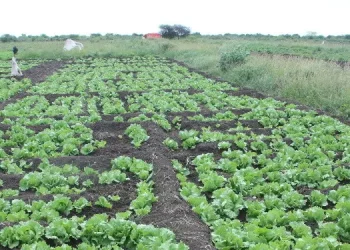
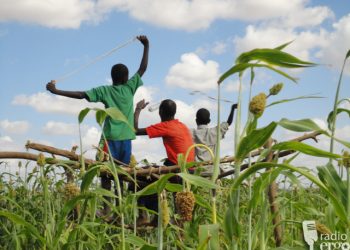
Most families in Iji are farmers. The village is located between the regions of Hiran and Middle Shabelle. Saido’s family lived off their one-hectare farm and small shop. Everything was burnt down. They had spent $800 buying seeds and were preparing to start planting.
One of the first families to reach El-dhere camp from Iji was Falxado Siikow Yusuf, a widow, with four children of her children. She told Radio Ergo that a resident in Mogadishu who lives near the camp gives them one meal a day.
“We are facing great hardships. We had to flee for our lives and I lost two of my children whom I left behind,” Falxado said.
Her husband was killed in clan clashes in the village in 2022. This time, she witnessed their two-room house being burned down by clan militia. She is frantic about her two missing children.
The four children she has with her have not acclimatised to rough living conditions in the camp and have been suffering from constant fever and rashes on their body as they are sleeping on the ground.
“We don’t have the support we need. Our houses were burned down, we left behind our clothes and belongings.”
Like other villagers who have fled, Falxado said they used to live a decent life. She bought milk from pastoralist families to sell at a profit to earn a living. Now they have fallen into a limbo and don’t know what the future holds for them or when they might be able to return home.
El-dhere camp leader, Hassan Farah, said 120 families from Iji had arrived there and more families were said to be on the way. He said they sometimes collected food from people in the city to share among the families, but they had no capacity to help much further.
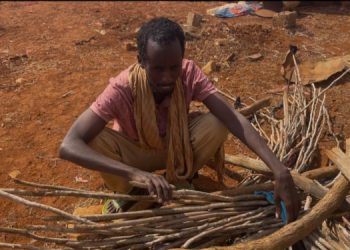
He described the lack of shelter as particularly concerning, although added that they had no means to help the families to build new shelters.
“The people are still struggling to fit in, because they had a good life before, they used to go to the markets and buy things they needed. Here the people just stay in the camp with nothing. As the camp leadership all we could do was to allocate them pieces of land and we have done that,” he said.