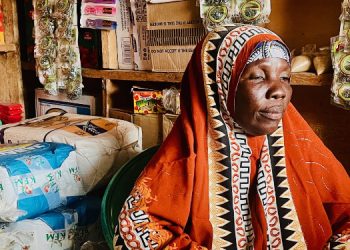


(ERGO) – Fadumo Hafow Ibrahim, a mother of 10 living in Abaqbanbow IDP camp in Afmadow, hopes the small business she set up using cash aid will help her family back on their feet after the destitution inflicted on them by the drought.
After receiving a one-time cash transfer of $292 from aid agencies last October, she set up a stall selling food, vegetables, cooking oil among other daily items.
Her family were struggling to eat once a day but today on her income they can now enjoy three meals. She also enrolled six of her children in school for the first time in December.
“When I received the cash, I thought if I sit and eat this money it will just get depleted, and that is when I thought about starting a business. That is what I decided to do. I am now making a profit while also providing for my family,” Fadumo told Radio Ergo.
Fadumo started off with the stall in the camps, now run by her daughter, and went on to open another one in town that she herself runs. Making up to $10 a day, she also puts some money aside to expand the business. Her working capital is around $700.
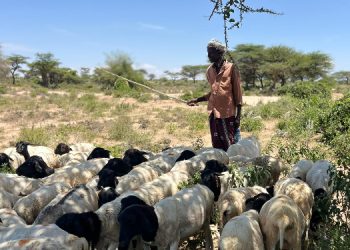
In July 2021, she and her husband and children walked for three days, carrying the younger ones on a donkey, from their village of Hargeisa-Yarey, 150 kilometres from Afmadow, after the drought killed all their 100 goats and 20 cows.
Having experienced the pain and suffering of displacement, Fadumo is determined to make her business support their future.
The unconditional cash aid from Mercy Corps and Juba Foundation was intended for the families to get four months of food and necessities, according to the local head of Jubaland Refugees and Internally Displaced Persons Agency, Ahmad Salad Hassan.
He told Radio Ergo that out of 300 vulnerable families given the cash aid in 14 IDP camps in Afmadow, about 180 used the money to start a business venture.
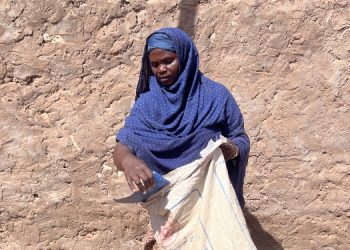
Farhiya Adan, Ali living in Sooya camp in Afmadow, also started a small business selling food and household items in town using her cash grant.
Making up to $12 on a good day from the business, she can now take care of her family needs including food, education, and other expenses. She also saved $150 and bought three new goats for her family.
“My life has taken a better turn, I take care of the children’s food, their education and our bills. Everything is in order. I have set my table near a wall and there I run my business,” she said proudly.
Farhiya, a single mother of nine, was among 130 single parent families given a small wooden house as well as cash.
Farhiya and her children were displaced from the rural areas of Afmadow district after losing 70 goats and 50 cows. Her husband, a labourer, divorced her and she could not afford to the $15 rent for their house, so she decided to leave the area.
Five of her children are now in school. She pays $21 fees for three of them whilst two study free after she appealed to the school for help.
Ahmad Salad Hassan said the women had made a good choice in the way they invested the cash aid.