

(ERGO) – Short-term cash aid is helping a few hundred women-headed families living in Mogadishu’s dismal IDP camps to buy food and medicine they desperately need – but they fear what will happen when the aid runs out.
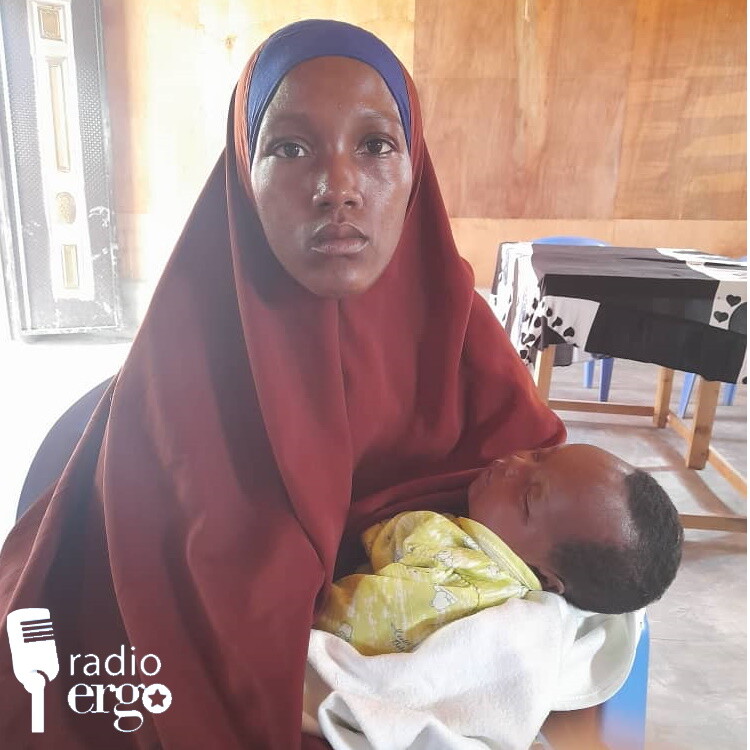
Qureysho Mohamed Ali, a mother of 10, is happy to be able to buy food and milk for her children in Yaaqle camp with the $122 she received from a local NGO.
“I recently gave birth and I have other young children. I was busy trying to find a job washing clothes. Getting one meal a day wasn’t easy but now we can get three meals. The past two months have been very different from the first month we were here,” she said.
She is the breadwinner for her family as her husband is elderly and diabetic. They left their home in Hawadley, Middle Shabelle, in September during conflict between government and Al-Shabab. They lost 25 goats and six cows to drought and sold off their last two goats for $35. Their two-hectare farm has stood bare for two years due to failed rains.
On arrival in the Somali capital, she walked the streets of Deynile and Hodan whilst pregnant searching for laundry jobs, sometimes coming home with a couple of dollars.
With November’s cash aid, Qureysho bought her husband’s medicine and enrolled five of her children in Koranic school for $25. However, she worries what will happen when the three months’ support stops.
“If the money runs out, I will have to remove the children from the school and decide if we stay in Mogadishu or go back to our region,” she said.
The first $122cash was distributed in November by Nomadic Assistance for Peace and Development (NAPAD) with funding from Diakonie Katastrophenhilfe (DKH). January 2023 is the last planned monthly payout to 550 IDP families recently displaced to camps in Deynile district from different regions by drought and conflict.
Farhiyo Salim Dhuub has been raising her nine children, the eldest aged 12, on her own since separating from her husband. She was displaced from Kunyo Barow in Lower Shabelle where drought killed her 60 goats.
Now living in Ba’ad camp in Deynile, she used $15 of the cash aid she received to buy plastic sheeting urgently needed to waterproof their hut. She goes out to wash clothes to supplement their income, earning about 50,000 shillings ($2) a day.
“Now we have plastic sheeting, thank God, the aid organisations have been helpful. I have also bought clothes for my children, and got them food and other things, may God reward them,” Farhiyo said.
Pregnant and breastfeeding mothers like Maana Ali Kasim are some of those struggling the most within the camps. Maana, a mother of 10, was suffering headaches, body swelling, and nausea and
lacked money to seek treatment. She was bedridden for 20 days making her unable to work so the family had to rely on neighbours for food.
She left Goofgadud in Bay region in June when their 50 goats died in the drought. She has been supporting her children and parents since her husband died of illness in 2015.
When she got her first cash aid from NAPAD, she used $60 on medical treatment.
“I am taking medicine now and we have bought some food. I couldn’t breastfeed my baby and had to use bottles. I was in pain day and night, but we are now doing well, thank God,” Maana said.
Two weeks after being treated she was able to resume work. She believes many people in the camp lack money for vital health care for illnesses or conditions that prevent them from earning a living.
“We need medicines as well as other basics though the medicine is the most important. We pray for better health, and we also thank the aid organisations that have helped us,” she said.