Radio Ergo - Somali Humanitarian News and Information
  • Home
  • Topics
    • Latest Stories
    • IDPS/Refugees
    • Natural Disasters
    • Health
    • Social
    • Food Security
    • Education
    • Agriculture & Livestock
  • Programmes
    • Locust Programme
    • Farming Programme
    • Radio Doctor Programme
    • Women Programme
    • Entertainment Programme
  • About Radio Ergo
  • Contact Us
  • blankSomali
  • blankEnglish
No Result
View All Result
Radio Ergo - Somali Humanitarian News and Information
  • Home
  • Topics
    • Latest Stories
    • IDPS/Refugees
    • Natural Disasters
    • Health
    • Social
    • Food Security
    • Education
    • Agriculture & Livestock
  • Programmes
    • Locust Programme
    • Farming Programme
    • Radio Doctor Programme
    • Women Programme
    • Entertainment Programme
  • About Radio Ergo
  • Contact Us
  • blankSomali
  • blankEnglish
No Result
View All Result
Radio Ergo - Somali Humanitarian News and Information
Home LATEST STORIES

Flood-hit Shabelle farmers plant new seeds

Radio Ergo by Radio Ergo
August 12, 2021
in LATEST STORIES
0
IDPS become farm laborers

File Photo/Ergo

1
SHARES
Share on FacebookShare on Twitter

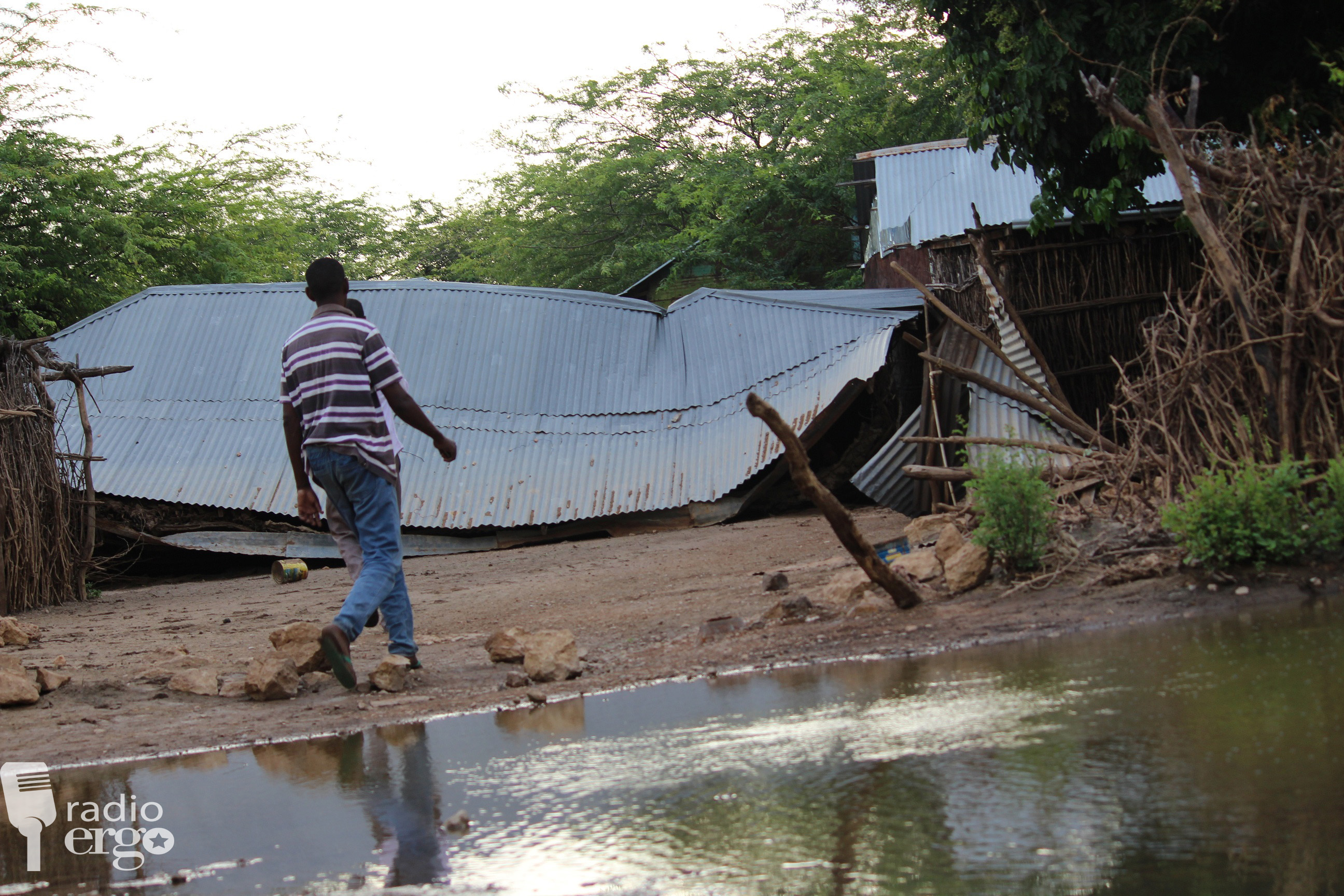
(ERGO) – Fadumo Kulow Mohamed briefly returned to her village of Xanlay in southern Somalia’s Middle Shabelle region this month to plant seeds she was given to revive her two-hectare farm that was earlier destroyed by river floods.

She then returned to Gargaar IDP camp, two kilometres away in Balad district, where she fled for safety with her family of 11 in March.

“I planted the crops, but I couldn’t stay there as our home was destroyed by the floods and there are fears of another flooding. We are forced to walk to and from the farm, as we need food and don’t have any now,” she said.

Fadumo and her family have found it hard to adjust to life in the IDP camp setting. She enrolled some of her children in school but could not keep up with the fees. She has had to look for laundry jobs to help her husband pay the family bills and they are struggling.

“I earn three dollars at most from my laundry job while my husband collects firewood for sale. He uses someone’s donkey to transport the firewood. He makes between 120,000 to 180,000 Somali shillings in sales,” she said.

Fadumo and her family were among some 2,000 flood-displaced farmers in parts of Middle Shabelle region who have started replanting after receiving seeds from the UN’s Food and Agriculture Organisation (FAO). Maize, sorghum, beans and vegetable seeds were distributed in mid-July.

Aweys Ali Haji planted his three hectare farm in Bajiino village, 28 km south of Balad, after receiving some seeds. This was the first assistance he received since losing his house and farm to the floods in March. The family are living in a flimsy hut they erected on nearby higher ground.

“I planted maize on one hectare of my farm, while on the other two hectares I planted tomatoes and green grams,” he said, adding: “Our children are out of school. We request the humanitarian agencies to rebuild our homes for us as we are out of place.”

Bajiino village is still awash with flood water. The displaced farming families are surviving by fishing in the water catchment areas. Groups of farmers turned fishermen like Aweys cross the flood water by boat and use a public van costing $3 to $4 per person to take dried fish to Balad once a week.

Aweys makes 150,000 Somali shillings from the sale of a bag of fish, which is just enough to buy his family some sorghum, a litre of cooking oil and half a kilogram of sugar.

Bashir Mohamed Haji, the head of Banadir Development Foundation, which distributed the aid on behalf of FAO, said the farmers were selected after consultations with local elders. They will also make a one-time $50 payment to the seed recipients to help keep them going until harvest time.
Previous Post

Radio Ergo audience feedback report, 5 August – 11 August 2021

Next Post

Conflict forces families to flee their farms in southern Somalia’s Bay region

Related Posts

Galgadud pastoralists caught between drought and conflict
AGRICULTURE & LIVESTOCK

Pastoralists with no assets left flee to a camp in Mudug without basic services

May 15, 2026
Somalia live news, Somalia latest news, Mogadishu live news, Somali news
FF Feedback

Radio Ergo audience feedback report 7-13 May 2026

May 15, 2026
blank
LATEST STORIES

Small family savings evaporate overnight as Somali 1,000 shilling notes rejected by businesses

May 13, 2026
Baidoa farmers reap benefits of climate knowledge and irrigation
AGRICULTURE & LIVESTOCK

Baidoa farmers reap benefits of climate knowledge and irrigation

May 11, 2026
Clamour for enacting new rape bill as high numbers of rapes are reported in Somaliland
FOOD SECURITY

Harrowing tales of family ruin as courts throw debtors into jail in Galkayo

May 9, 2026
Somalia live news, Somalia latest news, Mogadishu live news, Somali news
FF Feedback

Radio Ergo audience feedback report 30 April to 6 May 2026

May 8, 2026
Next Post
Conflict

Conflict forces families to flee their farms in southern Somalia’s Bay region

FOLLOW US ON FACEBOOK

DAILY PROGRAMMES

IDAACADDA 19-MAY-2026

IDAACADDA 19-MAY-2026 by Radio Ergo

IDAACADDA 19-MAY-2026
Episode play icon
IDAACADDA 19-MAY-2026
May 19, 2026
Episode play icon
IDAACADDA 18 MAY 2026
May 18, 2026
Episode play icon
IDAACADDA 17-MAY-2026
May 17, 2026
Episode play icon
IDAACADDA 16-MAY-2026
May 16, 2026
Episode play icon
IDAACADDA 15-MAY-2026
May 15, 2026
Search Results placeholder
Radio Ergo Weekly Newsletter
We respect your privacy.
blank
blank
blank

© Copyright 2014 - 2024 Radio Ergo

No Result
View All Result
  • Home
  • Topics
    • Latest Stories
    • IDPS/Refugees
    • Natural Disasters
    • Health
    • Social
    • Food Security
    • Education
    • Agriculture & Livestock
  • Programmes
    • Locust Programme
    • Farming Programme
    • Radio Doctor Programme
    • Women Programme
    • Entertainment Programme
  • About Radio Ergo
  • Contact Us
  • blankSomali
  • blankEnglish

© Copyright 2014 - 2024 Radio Ergo