

(ERGO) – A small scale farming initiative supported by a local NGO in Dadaab refugee camp in northern Kenya is gradually improving the lives of refugees by developing a sustainable source of basic food and income.
A group of 82 families in the refugee camp has ventured into farming to supplement the food aid they receive from humanitarian agencies.
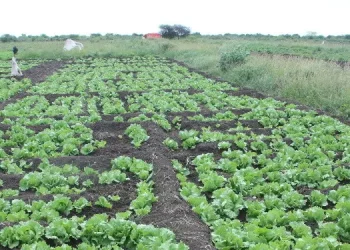
DaudDiyow Hussein, 45, has one hectare of farm two kilometres outside Hagadera camp in Dadaab, where he grows vegetables mainly okra. Every morning, with the help of his wife, Daud harvests the okra to sell in the local market.
For the last two years, Daud has been involved in farming to provide a source of income. He earns around 1,500 Kenya shillings ($15) daily from the sale of his fresh produce.
“Since last year when I increased my productivity, I managed to save some money and currently I have 40,000 shillings ($400) all from the produce of my farm,” he said. “The food aid (distributed at the camps) gets finished before the middle of the month but my family is safe now because we have an alternative.”
Daud grows tomatoes, carrots, and several other vegetables as well as okra.
“The first time I started planting was during the Gu’ season (April-June). I used to get adequate water from the well at the camp which fed my farm very well,” said Daud, who is a father of seven.
He has lived in Dadaab since 2011 when he arrived from Bardale town in Bay region of southwestern Somalia fleeing drought.
Farming in Dadaab refugee camp is one of the livelihood projects spearheaded by Fafi Integrated Development Association (FAIDA), a Kenyan NGO based in Fafi District.
Abdi Hassan, an agricultural officer at FAIDA, said they pump water from a borehole drilled in the camp to water tanks at the site of the plots for the farmers to use for irrigation.
AraboDaud Adan is another refugee involved in small-scale farming in the camp. She came to Dadaab in 2016 after a severe drought hit her village in Bardere town in Somalia’s Gedo region.
“For these one and half years that I have been doing farming, many of my financial problems have been resolved. I sell about 10 -15 kilos of different kinds of vegetables daily and the income is enough for my family,” Arabo explained.
The irrigated vegetable farms appear as a lush splash of green in the vast arid landscape of Dadaab.
However, the future of the camps remains uncertain as the Kenyan government has repeated in the past its intention to close them.