Radio Ergo - Somali Humanitarian News and Information
  • Home
  • Topics
    • Latest Stories
    • IDPS/Refugees
    • Natural Disasters
    • Health
    • Social
    • Food Security
    • Education
    • Agriculture & Livestock
  • Programmes
    • Locust Programme
    • Farming Programme
    • Radio Doctor Programme
    • Women Programme
    • Entertainment Programme
  • About Radio Ergo
  • Contact Us
  • blankSomali
  • blankEnglish
No Result
View All Result
Radio Ergo - Somali Humanitarian News and Information
  • Home
  • Topics
    • Latest Stories
    • IDPS/Refugees
    • Natural Disasters
    • Health
    • Social
    • Food Security
    • Education
    • Agriculture & Livestock
  • Programmes
    • Locust Programme
    • Farming Programme
    • Radio Doctor Programme
    • Women Programme
    • Entertainment Programme
  • About Radio Ergo
  • Contact Us
  • blankSomali
  • blankEnglish
No Result
View All Result
Radio Ergo - Somali Humanitarian News and Information
Home IDPS/REFUGEES

Somali refugee women in Kenya build livelihoods through traditional food

Radio Ergo by Radio Ergo
December 20, 2018
in IDPS/REFUGEES, LATEST STORIES
0
blank

Ladan Cabdikhaliif

0
SHARES
Share on FacebookShare on Twitter

(ERGO) – Somali refugee women in Kenya are putting their traditional cooking skills to good use running local restaurants that earn them a good living and provide a local service.

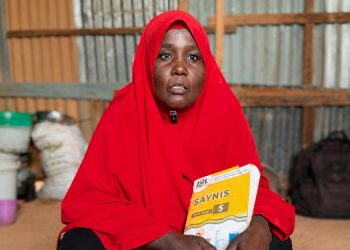
Ladan Abdi Khalif, a mother of three, is among several women who have started small businesses cooking and selling traditional food known as wadani.

Ladan, 35, has been living in Hagadera refugee camp in Dadaab, northeastern Kenya for the last 20 years.

She cooks ambulo (Somali common dish) made from well-cooked azuki beans mixed with maize and sometimes wheat.

“I cook several types of Somali traditional foods including maize and beans, wheat and beans, which are served with butter,” said Ladan.

Before her start-up, Ladan used to work at another restaurant where she was cooking anjera[white leavened bread made from teff flour].

“I was earning just 2,000 Kenya shillings ($20) but I saved some of the money to start this business and now I employ one person whom I pay 7,000 shillings ($70) a month,” she told Radio Ergo.

The wadani meals are very popular among the community in the area.

“The business pays us well. I get approximately 40,000 shillings ($400) per month. Our customers are mainly casual workers,” she stated.

Another businesswoman in the same camp, Hakima Ibrahim, switched to the catering business two months ago.

With the help of her husband, Hakima cooks different types of food at her own restaurant. Since she started the restaurant, her family’s fortunes have changed.

The restaurant brings in 45,000 shillings ($450)a month but unlike Ladan, she hires no staff as she gets help from her husband, Hassan Yussuf. He agreed to work with her since the opening of the restaurant and the arrangement works well.

“Per day, I get1,500 shillings ($15), with God’s will, and the situation of my family has changed since I started this business,” Ladan said.

The food businesses also help local construction workers, porters, and other residents by providing them with ready food at affordable prices.

AbdirashidIge, a local resident in the camp, is a frequent customer atLadan’srestaurant.

“These restaurants have not only helped the community but also promoted the traditional foods. The restaurants have built the livelihoods of many families,” he said.
Previous Post

Boon for Somali fishermen in Kismayu as Kenyan market opens up

Next Post

Worrying rise in the number of tuberculosis cases in Hargeisa

Related Posts

blank
FOOD SECURITY

Adado mechanic gears up displaced youth for jobs in vehicle repair and solar tech

September 28, 2026
School closures put hundreds of teachers  out of work in Garowe
EDUCATION

School closures put hundreds of teachers  out of work in Garowe

September 24, 2026
Hargeisa road expansion bulldozes IDPs’ small businesses
FOOD SECURITY

Hargeisa road expansion bulldozes IDPs’ small businesses

September 22, 2026
High prices of water cause health and hygiene problems in Mogadishu IDP camps
FOOD SECURITY

Long walks in search of scarce water cost Burhakaba women their jobs and income

September 21, 2026
Solar irrigation doubles production and cuts costs for Afgoye farmers
AGRICULTURE & LIVESTOCK

Solar irrigation doubles production and cuts costs for Afgoye farmers

September 18, 2026
blank
AGRICULTURE & LIVESTOCK

Wild animal invade fenceless farms in Togdher ruining families’ crops and incomes

September 16, 2026
Next Post
Worrying rise in the number of tuberculosis cases in Hargeisa

Worrying rise in the number of tuberculosis cases in Hargeisa

FOLLOW US ON FACEBOOK

DAILY PROGRAMMES

IDAACADDA 30-SEP-2026

IDAACADDA 30-SEP-2026 by Radio Ergo

IDAACADDA 30-SEP-2026
Episode play icon
IDAACADDA 30-SEP-2026
September 30, 2026
Episode play icon
IDAACADDA 29-SEP-2026
September 29, 2026
Episode play icon
IDAACADDA 28-SEP-2026
September 28, 2026
Episode play icon
IDAACADDA 27-SEP-2026
September 27, 2026
Episode play icon
IDAACADDA 27-SEP-2026
September 27, 2026
Search Results placeholder
Radio Ergo Weekly Newsletter
We respect your privacy.
blank
blank
blank

© Copyright 2014 - 2024 Radio Ergo

No Result
View All Result
  • Home
  • Topics
    • Latest Stories
    • IDPS/Refugees
    • Natural Disasters
    • Health
    • Social
    • Food Security
    • Education
    • Agriculture & Livestock
  • Programmes
    • Locust Programme
    • Farming Programme
    • Radio Doctor Programme
    • Women Programme
    • Entertainment Programme
  • About Radio Ergo
  • Contact Us
  • blankSomali
  • blankEnglish

© Copyright 2014 - 2024 Radio Ergo