

The fortunes of traders depending on their living from the livestock markets of southern Galkayo have crashed in recent weeks, just as the rains have been greeted as a blessing by the livestock herders.
The drought-hit pastoralists of Mudug – one of the most drought-stricken regions of Somalia in the last three years – have been holding on to their precious remaining animals in the hope that they will fatten and reproduce now that some pasture has appeared with the ‘deyr’ rains.
Activity at the market has reduced sharply with around 100 animals being sold a day as compared to 600 previously.
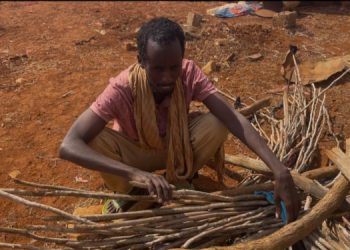
Abduqadir Yusuf, a broker in Galkayo livestock market, said he has been forced to ask his relatives to help him out as his earnings have fallen.
He normally goes to the market twice a week. He is lucky these days to take home 40,000 shillings (less than $2), an amount that is not enough to sustain his family of five.
Before the decline, he would earn around 200,000 shillings and would sell at least 80 animals a day.
“There have been times before when the livestock have reduced, but I have never seen anything like this,” said Abduqadir, who has been working in the market for 11 years.
The livestock traders say that only one in 10 camels belonging to the pastoralists survived the drought in Mudug. Those that have any camels left are reluctant to sell them or quick cash.
The animals that are available for sale in the market are coming from other regions, including Nugal and Hiran. Prices have sky rocketed.
The price of a top grade goat has gone up from a million shillings ($39.2) to 1.9 million ($67.8).
Apart from livestock brokers, there are many small traders especially women whose earnings have dropped.
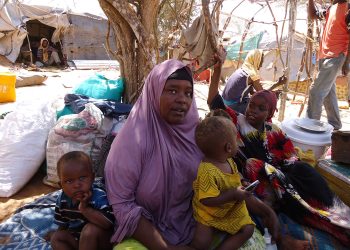
Abshiro Adan is a meat trader and a single mother raising seven children. She is buying food on credit from the store and cannot pay the $45 fees this month for the four children she has in school. She used to be able to put aside 150, 000 from her meat sales to save for children’s education.
Camel meat has become quite rate in the market. A kilogramme of camel meat has risen from 90,000 shillings ($3.2) to 155, 000 ($5.5).