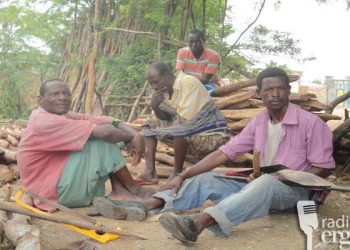


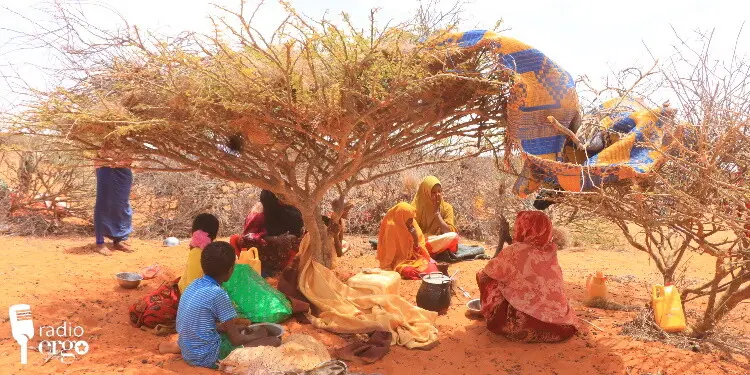
(ERGO) – Hundreds of families displaced by clan conflict in Dawaco area in Somaliland’s Sanag region are facing hard living conditions after losing their livelihoods and property in the violence.
The conflict, which began on 25 July following a dispute over grazing land, has killed seven people and displaced 600 families.
The chairman of Dawaco, Abdi Askar Guled, said the fighting came during a difficult dry season, when communities were already facing economic hardship caused by recurring droughts.
Those displaced have sought refuge in Badhan and other rural areas, where many are staying with relatives. They are unable to return home because the conflict remains unresolved and their property has been destroyed.
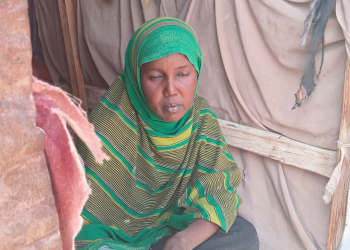
Leyla Mohamed Jama, 43, a single mother of 11, is struggling to meet basic needs after her home and small business were destroyed by fire during the conflict. The family left behind their 20 goats when they fled – she doesn’t know what happened to them.
Her business selling cooked food and assorted goods had earned her $10 to $15 a day and was the family’s main source of income.
The family initially fled on foot after the fighting began around 4 o’clock in the early morning. They managed to get a lift in a vehicle that took them to Badhan, about 130 kilometres away.
“Our situation is very difficult. We used to cook three meals a day, but now we struggle to manage even one meal. I was the only person working in the family, but I’ve now been displaced and no one is earning an income for us,” Leyla said.
The 11-member family hosting Leyla and her children is also poor and survives on limited support from relatives abroad. The two families – comprising 23 people – share two small rooms made of metal sheets, forming a cramped and inadequate shelter.
Leyla said the family can’t afford a $4 water drum and struggles to obtain even a 20-litre container a day for drinking and cooking. They have little water for bathing and washing clothes and depend partly on the family hosting them.
Her children have stopped attending school and Koranic classes because she can no longer afford their education fees. She used to pay $80 a month for five children.
“I am deeply worried about having my children staying at home. They see other children going to school and Koranic classes and ask me why I am not sending them. I’m very concerned about their lack of education, but I can’t afford the fees. We are already struggling to meet their basic needs,” she said.
She has not been able to find work in Badhan despite looking for cleaning, sweeping and laundry jobs. She has no one to turn to for support.
Adna Adan Ahmed, another displaced mother, said her family had also been severely affected. She is raising four children following her divorce. Her shop – their source of livelihood – and iron-sheet home were among the property burned in Dawaco. She estimated losing goods worth $2,000.
She has no money to return or rebuild her home and business even if peace were restored. Her family misses their three meals a day, and has struggled for a month to obtain enough food to cook. Her food credit has run out due to a $300 debt that she can’t repay.
“At best, I am now able to provide my children with food only once a day,” Adna said. She can only rely on cooked food offered irregularly by poor neighbours.
The conflict has left many displaced families without the means to support themselves. The Dawaco chairman said the local administration had limited resources to assist them and had informed the Sanag regional administration of their worsening situation.
He said the local administration had provided the displaced families with water delivered by tankers, while local communities had collected food to support them. However, both the displaced families and those hosting them remained vulnerable.
“Their nutritional status, living conditions and health are all poor, and their biggest challenge is getting enough food. I call on the Somali people and humanitarian organisations to provide whatever support they can to these vulnerable families who were forced to flee their homes because of insecurity,” the chairman told Radio Ergo.
Repeated clan conflicts continue to disrupt the lives of thousands of families who have yet to recover from economic losses caused by drought and conflict.