Radio Ergo - Somali Humanitarian News and Information
  • Home
  • Topics
    • Latest Stories
    • IDPS/Refugees
    • Natural Disasters
    • Health
    • Social
    • Food Security
    • Education
    • Agriculture & Livestock
  • Programmes
    • Locust Programme
    • Farming Programme
    • Radio Doctor Programme
    • Women Programme
    • Entertainment Programme
  • About Radio Ergo
  • Contact Us
  • blankSomali
  • blankEnglish
No Result
View All Result
Radio Ergo - Somali Humanitarian News and Information
  • Home
  • Topics
    • Latest Stories
    • IDPS/Refugees
    • Natural Disasters
    • Health
    • Social
    • Food Security
    • Education
    • Agriculture & Livestock
  • Programmes
    • Locust Programme
    • Farming Programme
    • Radio Doctor Programme
    • Women Programme
    • Entertainment Programme
  • About Radio Ergo
  • Contact Us
  • blankSomali
  • blankEnglish
No Result
View All Result
Radio Ergo - Somali Humanitarian News and Information
Home FOOD SECURITY

Home food deliveries for displaced workers in Kismayo city clean-up

Radio Ergo by Radio Ergo
November 17, 2025
in FOOD SECURITY, IDPS/REFUGEES, LATEST STORIES
0
Home food deliveries for displaced workers in Kismayo city clean-up

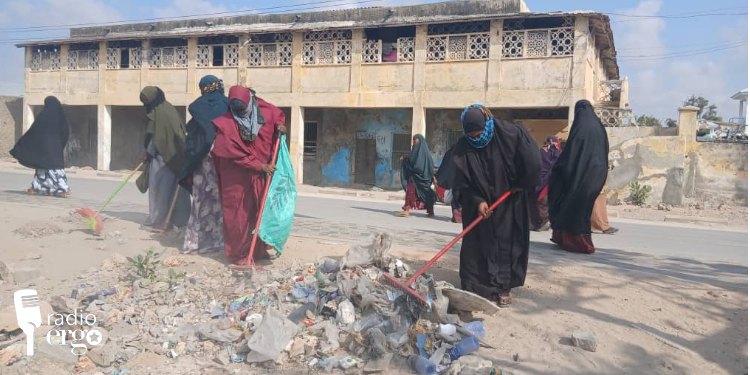
Amina and Kafiyo among a group of women collecting waste along Kismayo roads/Ahmed Toronto/Ergo

0
SHARES
Share on FacebookShare on Twitter

(ERGO) – A city clean-up campaign in the southern Somali city of Kismayo is sprucing up the streets and giving direct support to impoverished displaced women and men who are involved in the labour.

Kafiya Ali Ahmed, a mother of eight, is a member of a team that sweeps and clears waste and debris from the streets and markets.

For her work, she and everyone else receives a monthly food package of 25 kilos of rice, 12 kilos of pasta, five kilos of sugar, oil, and six tins of canned fish.

The programme is run by the Kismayo local government with funding and support from South African charity, Gift of the Givers Foundation.

Their food-for-work model is not to give cash or food vouchers, but to deliver the food directly to the homes of the workers.

“I never had rice before!” Kafiya told Radio Ergo.

“I used to struggle to bring anything home. This rice feels like a salary. When you take home 25 kilos, you know what that means!”

Since joining the programme in July, she has ceased going out begging for food.

“I used to ask people to help us, my children are hungry today. Sometimes they helped, but I never had food stored at home or a job to depend on. There were days my children went to bed hungry and woke up hungry the next day,” she said.

Kafiya can provide three meals a day for her children and as she works six hours in the morning on the clean-up, she hopes to find another afternoon income-earning activity to pay for her children to join school for the first time.

She was displaced to Kismayo seven years ago from Kudhaa in Lower Juba region after her husband, a fisherman who supported the family, died. She lived in a crumbling abandoned structure in the city, until given use of a small room attached to a mosque.

“I had no shelter, and my children were living in a ruined place where the rain poured in. The mosque leaders helped me and told me to stay here for free because it is God’s house,” she said.

There are 30 women and 20 men from nearby displacement camps involved in the clean-up programme.

Amina Ahmed Abdirahman, 45, leads a team of 10 clearing roads and drainage ditches blocked by rubbish and soil.

She works mornings with the cleaning crew and spends her afternoons washing clothes for clients for $2 to $3, to provide enough for her 10 children.

“With the money I buy vegetables and charcoal, and the food from the programme is already delivered to the house. I didn’t have any of this before. The food has added something extra for us,” she said.

Amina lives in a hut in Gaabo displacement camp, where she was living by borrowing from local stores.

“I’d say to the shopkeeper this is what I have, please give me the rest on credit. He’d write the extra amount in his book. When I got money, I repaid the debt and took more credit – that’s how we survived,” she said.

Amina was displaced in 2017 from Kamsuma, 60 kilometres from Kismayo, after prolonged drought destroyed her family’s six-hectare farm.

She hopes to educate her children, although the school where four of them were enrolled closed in September as the supporting aid agency faced financial constraints, according to the Jubbaland education ministry.

The director of the Kismayo authority’s environmental department, Abdifatah Adan Abdullaahi, said the programme benefited the city and those identified as particularly vulnerable residents.

“This is employment for these people, and at the same time it improves the city’s cleanliness. These workers are permanent and will continue working. There are also new roads nearly completed, and all are waiting for the local government’s cleaning management,” he said.
Previous Post

Clan conflict in Qoryoley ruins the lives and livelihoods of hundreds of Lower Shabelle farming families

Next Post

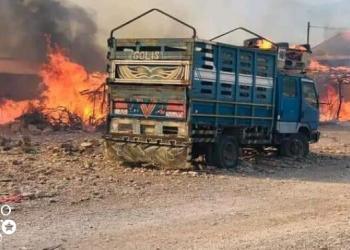
Fire destroys hundreds of small businesses in Dadaab refugee camp

Related Posts

Somali families cut off from aid after verification process in Dadaab refugee camps
FOOD SECURITY

Somali families cut off from aid after verification process in Dadaab refugee camps

April 28, 2026
Clan conflict causes hundreds of families to flee burnt farms in Bay region
FOOD SECURITY

Clan conflict causes hundreds of families to flee burnt farms in Bay region

April 24, 2026
Somalia live news, Somalia latest news, Mogadishu live news, Somali news
FF Feedback

Radio Ergo audience feedback report 16-22 April 2026

April 24, 2026
Fresh food sellers in Galmudug put out of business by Hiran floods
FOOD SECURITY

Women traders in Kismayo losing customers in new off-road market

April 23, 2026
Credit crunch faces drought-stricken pastoralist households in Adado
FOOD SECURITY

Credit crunch faces drought-stricken pastoralist households in Adado

April 22, 2026
Families in Lower Shabelle get new chance to build up a living
FOOD SECURITY

Families in Lower Shabelle get new chance to build up a living

April 20, 2026
Next Post
Fire destroys hundreds of small businesses in Dadaab refugee camp

Fire destroys hundreds of small businesses in Dadaab refugee camp

FOLLOW US ON FACEBOOK

DAILY PROGRAMMES

IDAACADDA 29-APR-2026

IDAACADDA 29-APR-2026 by Radio Ergo

IDAACADDA 29-APR-2026
Episode play icon
IDAACADDA 29-APR-2026
April 29, 2026
Episode play icon
IDAACADDA 28-APR-2026
April 28, 2026
Episode play icon
IDAACADDA 27-APR-2026
April 27, 2026
Episode play icon
IDAACADDA 26-APR-2026
April 26, 2026
Episode play icon
IDAACADDA 25-APR-2026
April 25, 2026
Search Results placeholder
Radio Ergo Weekly Newsletter
We respect your privacy.
blank
blank
blank

© Copyright 2014 - 2024 Radio Ergo

No Result
View All Result
  • Home
  • Topics
    • Latest Stories
    • IDPS/Refugees
    • Natural Disasters
    • Health
    • Social
    • Food Security
    • Education
    • Agriculture & Livestock
  • Programmes
    • Locust Programme
    • Farming Programme
    • Radio Doctor Programme
    • Women Programme
    • Entertainment Programme
  • About Radio Ergo
  • Contact Us
  • blankSomali
  • blankEnglish

© Copyright 2014 - 2024 Radio Ergo