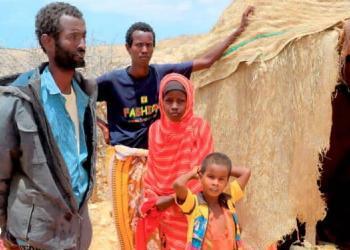


(ERGO) – Suldan Jama, a father of 12, sold his family home in Galkayo for $13,000 in June to raise money to free his daughter, who is being held in a Libyan jail by traffickers.
He moved his large family into a shack – but still can’t meet the traffickers demand of $20,000 in ransom for his captive daughter, Anab, aged 21. The rest of the family are now struggling for meals.
“I am a troubled and struggling father,” Suldan told Radio Ergo.
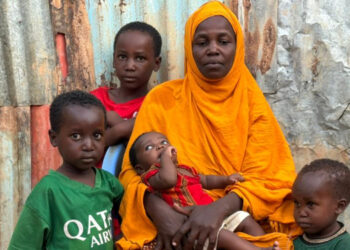
“After I sold my house, I moved to a displacement settlement and built a makeshift hut where we now live. In town, I beg around for a dollar here and there to cover daily food.
My daughter was a school teacher earning $100 a month, and she used to support the children’s upkeep. She was a blessing to me. But since she was captured by human traffickers, that $100 income is gone. If she were still with me, my household would have survived somehow.”
Suldan tried other means to raise the ransom for his daughter, including spending a month searching for a loan. But even after taking the desperate step of selling his house, he is still weighed down by the demand for the outstanding $7,000 for her freedom.
The stress cost him his own job as a security guard, where he was earning $100 a month. For the last three months, he has not been able to work due to anxiety.
“I have turned to all my relatives but everyone says they have nothing. That is why I was forced to sell my house, worried sick about my daughter, who was being tortured and beaten,” he said, having received calls and videos from the captors.
The family’s life before was not easy, but at least they had a house without rent and also some support from their daughter before she migrated.
Suldan said five of his children were now out of school because he cannot afford the $25 monthly fees they used to pay.
Stories abound of families in Puntland sinking into poverty after selling their livelihood assets to rescue relatives held captive in North Africa and the Middle East.
Among them is Abdullahi Ali Samatar, whose family of 14 are now crowded into a small room that used to be a relative’s kitchen.
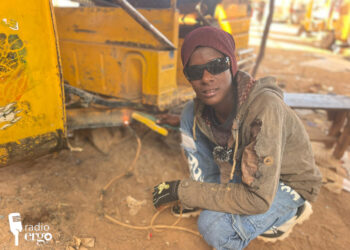
Abdullahi said he was forced to sell his three-room house for $10,000 in May to pay part of an $18,000 ransom for his son, 19-year-old Mohamed, being held in Libya. He sent the money to his son’s captors via wire transfer. He said his family now faced unprecedented hardship, unable even to afford fuel for cooking.
“We sleep on the floor of that small room we share with relatives. Sometimes we sleep outside, exposed to cold and wind. We used to live in our own house, but now life is miserable. We have no shelter, and food is scarce. This all came about after I sold my house to try to free my son from traffickers,” Abdullahi explained.
His family lived on his income from casual construction jobs that brought in $10–15 per day, which covered the family’s basic needs. However, he has no motivation to work now because of the stress around his son’s safety and the need to find another $8,000 in ransom.
“My son disappeared for 20 days and then I got a call telling me to send $18,000. I sold my house cheaply for $10,000, but I still owe $8,000. I am drowning in debt, and yet my son is still being held. I sold my house and now my family is in deep hardship. We have no shelter, no food, and our lives are in turmoil,” he told Radio Ergo.
Abdullahi said his main goal now was to secure his son’s release from traffickers’ captivity. He added that he hoped the Somali government would help return him home.
Six of his children, meanwhile, were expelled from their Koranic and primary schools at the end of July because he could not pay the $60 monthly fees.
Ransom payments for migrants are determined by deals and the duration of detention – the amount demanded increases the longer a person is held.
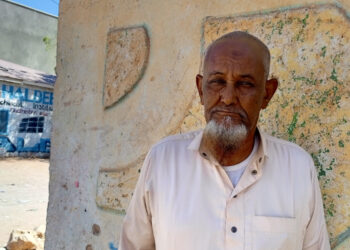
The chairman of the local anti-trafficking organisation Badbaado iyo Barwaaqo (Safety and Prosperity), Abdi Mohamed Ali, said their recent survey in Puntland showed a sharp rise in overseas migration.
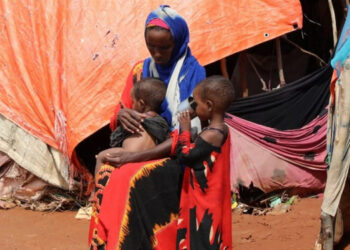
He said they documented more than 100 families who had sold assets such as houses, businesses, and vehicles to pay ransoms. Some of these families were forced to move into displacement camps, where they seek aid from humanitarian agencies, often lacking enough food or proper shelter.
“We know of families today who cannot even afford tea, though just yesterday they were living well, with cars, houses, and businesses. All of that has disappeared, and their lives have collapsed. Our organisation is focusing on supporting these families now living in crisis, while also raising awareness among the wider community about this devastating problem,” he said.
Abdi added that their organisation provided counselling to families facing these challenges, as well as advocacy to help them secure support and assistance from aid agencies and donors to help them to recover their lives and stability.