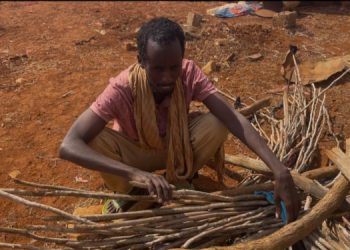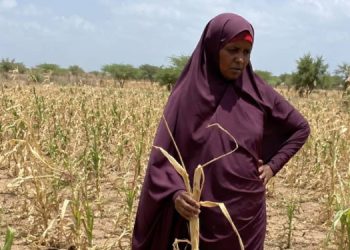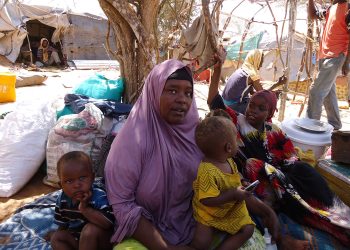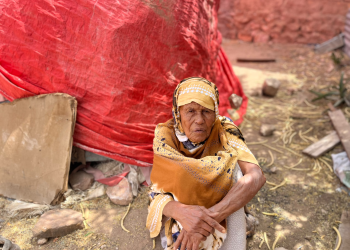


(ERGO) – Prolonged severe drought has left the dwindling population of the rural village of Laqaanley, in northern Somalia’s Bari region, wondering how they and their few remaining livestock are going to survive.
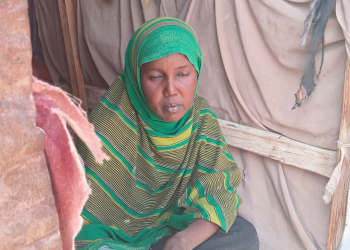
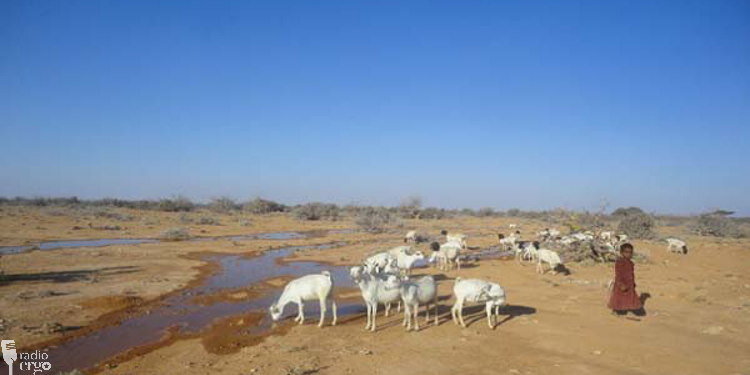
Farhiyo Ali Ahmed’s family of 12 has witnessed 30 of their goats dying since March due to lack of pasture and water, leaving their remaining 40 goats too weak to be sold or eaten.
Farhiyo is struggling to feed her children and has been relying on some kilos of food bought on credit on 20 April, eking it out by cooking just one meal a day.
Appealing to shopkeepers for credit for the food they desperately need has been agonising, she told Radio Ergo.
“The problem is worse for humans than for livestock. We have debts to pay. Sometimes we are chased away by shopkeepers. It takes a long time begging for more credit, and we are usually told to pay off the first debt before getting more. The drought has killed most of our animals, leaving us with nothing to eat or drink,” Farhiyo told Radio Ergo.
They are also short of water, as she can’t afford to buy from the 30,000-litre tanker truck costing $200. They rely on support from those who can buy afford to buy the water and sometimes share some with them. They often go without water for more than two days, causing thirst and preventing them from cooking.
Prolonged drought with no rainfall since mid-last year has depleted water sources in the local shallow wells and rainwater storage tanks in this part of Puntland regional state.
“The livestock haven’t had any disease but they are dying of hunger. They haven’t been able to eat or find pasture, and the water has run out. I can’t find any livestock to slaughter and eat. The people who used to carry water for us have left. There is nothing to eat or leave behind. If God gives us rain or if aid agencies help us, they might be able to survive,” she said.
Farhiyo faces the choice of staying in her area despite the hardship or moving away to join a displacement camp in an urban area. Her family, who have always lived in the countryside herding livestock, have never considered migrating to the town before.
“If a person has assets, they move to the town. We have nothing to go to the town with and no houses. We are a nomadic family, and the drought has caught up with us. We are poor and cannot go to the town. We will just stay in our current area and hope for assistance from humanitarian organisations,” she said.
About 150 people normally live in Laqaanley village, but many pastoralists have migrated to other areas to save themselves.
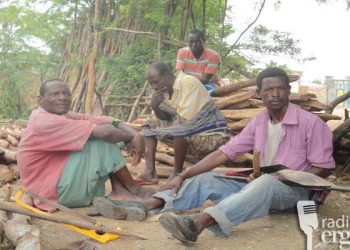
Herder Abdi Ali, who lost 50 of his goats, plans to move to an area with water for his family of 12 and his remaining livestock, which are dying of thirst.
“Many people moved from the countryside 10 days ago because their livestock were killed by the drought. They had 50-60 animals and moved to the urban areas. About 100 families in total moved from this rural area to the town,” Abdi told Radio Ergo.
“The villagers depended on those animals. Now, the people are in a state of panic and cannot keep their livestock. My animals are gone – whereas there were 100, there are now 50 left. You won’t find any goats to slaughter tonight because they are weak and thin.”
Abdi owes $1,500 to traders for food and clothing he bought for his family. This debt prevents him from obtaining more credit. He relies on money sent by relatives and friends, but the high price of water from commercial tankers makes it difficult to meet his family’s needs.
“When the animals are in the jilaal (dry season) and the water in the well is too deep and not accessible, of course we need to get them water. The water tanker costs $200, and no one can afford it. There is no solution for those animals. They are dying from the lack of water,” he said.
The chairman or village elder of Laqaanley village, Mohamed Ismail Omar, noted that the drought had affected the entire local economy that is reliant on livestock herding. He said most businesses had closed and many families had fled to try find survival elsewhere.
“As the livestock population has declined, it has affected the people’s livelihoods. Laqaanley area has no sea, no farmland – its economy relies on livestock herding. There are not many livestock left to live on. They used to take these animals to the towns to sell them,” the village elder said.
He added that the drought-stricken pastoralists in Laqaanley had not received any assistance from Puntland or aid agencies, despite their pleas for help.