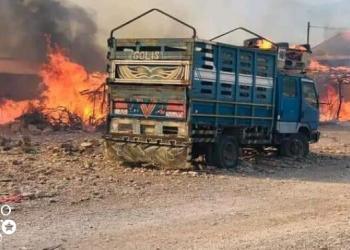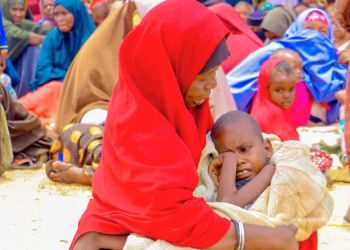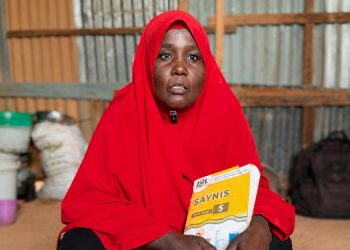


(ERGO) – Farmers in Somalia’s Hiran region are angry about the disruption being caused to their livelihoods and security by armed groups extorting taxes at illegal roadblocks along the roads.
Livestock and fresh produce traders from Hiran, who supply goods to Galgadud, Mudug, Nugal, Bari, and Marodi-Jeh regions, reported that their operations were at a standstill.
Transporters who used to pay at the roadblocks parked their vehicles on 17 September in protest.
Local farmer Farah Ali Galeyr has suffered significant losses during the road closures, as he couldn’t transport his fresh vegetables from his farm in Defow to Beledweyne market, 45 kilometres away.
“I lost all hope of benefiting from my harvest because I couldn’t find any vehicle to transport the produce, leading to the crops rotting on the farm,” he complained.
This has left his family of nine children with only one meal per day, relying on maize from his farm.
“We’re almost abandoning the farms because of the roadblocks. I’ve lost my tomatoes and watermelon harvest, as well as other crops. Farming only pays off when there’s a road to transport the produce, but now, without access to roads, it’s all running at a loss.”
This is the second time this year that Farah has suffered a significant loss. In the previous season, flooding from the Shabelle River destroyed his crops just as they were about to be harvested. The total loss amounted to $1,500, including a $500 loan.
Farah highlighted that even smaller roads between Beledweyne and nearby villages have been blocked. Donkey cart owners using these routes are forced by armed groups to pay fees they cannot afford.
He also noted that the armed groups raided his house previously, looting their belongings and leaving residents in the area increasingly worried for their safety and livelihood.
Osman Dahir Elmi, a livestock farmer from Tardo village, 45 kilometres from Beledweyne, has also been frustrated by the disruption caused by roadblocks.
Earlier in September, he moved his seven goats to Beledweyne market, intending to sell them to purchase food for his family for two months. However, after three days in the city, he hasn’t been able to find buyers due to low activity in the livestock market.
“For several days, I’ve brought my livestock to the market every morning, only to take them away again the evening,” he told reporters. It used to take him a matter of hours to sell his goats and return home.
He paid $18 to transport himself and his livestock to Beledweyne and agreed to pay the driver once the goats were sold. The driver calls him daily, demanding his money, which Osman is unable to pay.
The distance to his home is too far for him to walk, and with no vehicles leaving the city to his area due to the roadblocks. His family of 12 is struggling in Tardo, having run out of food, while he is stranded in Beledweyne with his goats.
He owes $250 that he borrowed to provide water for his family and animals. His plan was to repay this debt in the first week of October. He’s now staying with relatives in Beledweyne, with his goats needing to be fed on credit.
“I promised to pay back the fodder suppliers once my goats sell, but if they don’t, I may have to leave one of my goats behind as payment,” Osman said.
The deputy head of social affairs in Hiran region, Abdiwahid Sheikh Nuriyow, noted that there were roadblocks in 30 locations along 120 kilometres of road between Hiran and Galgadud. Local authorities, in collaboration with elders and religious leaders launched efforts to negotiate with the armed groups, who resisted an attempt last month by the authorities to dismantle the roadblocks.
“Food is getting expensive, and the people are facing hardships, they were already vulnerable, and the roadblocks have added to their woes. The people are in a dire situation, and they need help. The local elders are still working on a solution,” he said.
Nuriyow appealed to those behind the roadblocks to show mercy on the people and allow free passage for goods and services, highlighting that they are worsening an already fragile economic situation. He attributed the rise in roadblocks to ongoing political disputes in the region.
Farmers and pastoralists in the region, who were already recovering from floods, droughts, and conflict, are now facing yet another challenge that has severely affected their livelihoods and further depleted their economic resilience.