(ERGO) – Maryan Mohamed Ali and her family lost everything when their small iron-sheet house in Daryel IDP camp in Mogadishu was destroyed in a fire on 18 February.
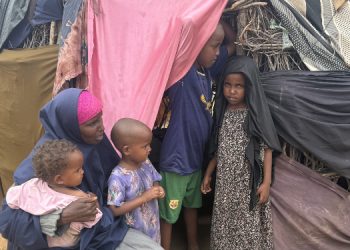
They are now sleeping on the ground on pieces of cardboard and plastic bags in the camp and huddling under the tree shade during the day.
“At least we had shelter to protect us from the weather before, even though we were worried about having no food and water. This is very painful because now we don’t even have shelter either,” she said.
She is thankful that other residents rescued her six children from the fire and she now sits watching over them all day. She used to make a humble living doing laundry jobs but is now depending on neighbours for help with food.
According to locals, the blaze started when a cooking fire set fire to one of the shacks. The fire quickly spread out of control, burning the other makeshift houses in the camp. In all 244 families were left homeless.
Maryan has been living in the IDP camps since 2019 when they were displaced from Yaaqbariweyne, Lower Shabelle, by clan conflict that drove them from their house and four-hectare farm.
She had constructed her iron-sheet house from her hard-earned money washing clothes and a $300 donation she was given. Her husband died of illness two months ago.
She plans to build again although worries that similar disasters could easily happen again in the camp.
In the same fire, Fadumo Mohamed Nunow’s six-year-old son was burned on his left leg and is receiving free treatment in Banadir MCH.
Fadumo lost her tent that cost $150, and all her utensils and clothing. They are also sleeping outside and getting just one meal a day.
As she has to watch over her four children she is losing the $4 a day she used to earn washing clothes.
“When my house caught fire I was out working. I came back and saw everyone outside and the houses all burnt down,” she said.
Her husband was killed by Al-Shabab for refusing to join the group. She joined the camp in 2020 after fleeing Barawe district in Lower Shabelle.
One of the camp leaders, Ahmed Muse, noted that the poor quality of the housing and cramped camp conditions meant that fires easily spread, especially when it was windy.
“The people are living in very bad conditions. Still, they had shelters and were doing quite well but now they are outside sleeping rough,” he said.