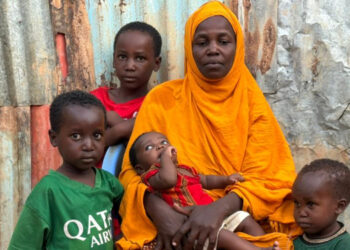


(ERGO) – Fadumo Nur Hussein, a mother of six, has opened a new tailoring shop in Galkayo that is better than the roadside stall she used to operate from.
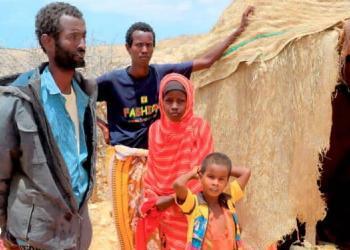
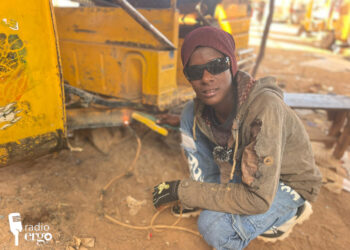
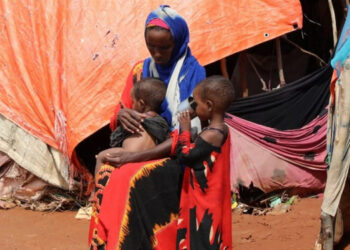
She is among 40 small businesspeople given $1,000 each by the UN’s refugee agency, UNHCR, to compensate them for the loss of their stalls when roads were expanded by the local authority in central Somalia.
Fadumo’s supports the family from her $2-3 daily profits from the shop, pays $15 rent for the house, and $35 a month to keep her four children in school.
She initially set up tailoring at home but lacked customers so moved to a roadside position. Earlier this year she was evicted along with around 100 others as road construction began.
“My business has now advanced. Today I have some assets and I can take care of my children’s needs. I remember there was a point when I was struggling to pay my children’s education fees,” she said.
Abdirisak Hussein Yusuf, a father of four, was also evicted during roadworks and used his $1,000 to relocate his kiosk.
At first, after being evicted, he was worried his life was crumbling and his children had to stop school as he could not raise the $30 fees. However, since his new business started picking up and his income stabilised, he managed to send them back to school in May.
“When I got my business back, the first thing I did was to put my children back in school. Thank God, now I can take care of their fees,” he said.
Anab Hassan Ali, a mother of 14, told Radio Ergo that the investment money has helped her advance her shop clothing and groceries. She also used $350 to clear some of her debts.
Her family were barely able to get one meal after she was removed from the roadside, but now she earns a decent $5-10 a day and the family is content with three meals a day.
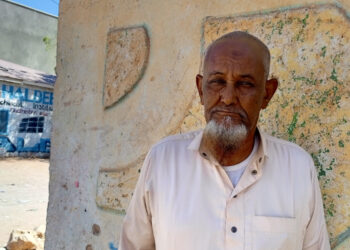
The head of business and investment at Galkayo local authority, Bashir Isse Gedi, said the families selected to receive the financial aid were the most vulnerable. The authority hopes the businesses closed during road expansion will all be revived and even strengthened.
“Among the people selected, five were people living with disabilities, and the rest were people from poor backgrounds,” he said.