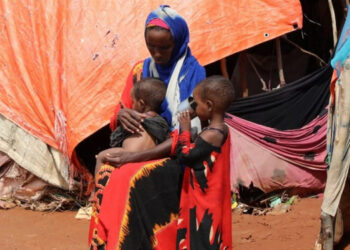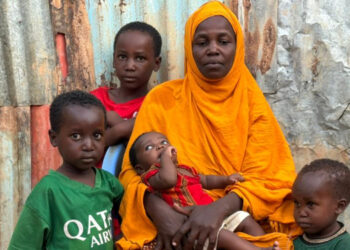


(ERGO) – Conflict in southern Somalia’s Bakool region has pushed hundreds of families to abandon their villages and migrate to other areas along the border with Ethiopia, where they face food shortages and huge price rises.
Many families have moved to border towns Yeed, Aato and Washaqo in Bakool, with others migrating across the border into Ethiopia’s Somali Region.
Since conflict erupted on 21 July, the important Burduhunle road – a key food supply route from Bay region to Bakool – has been closed due to conflict between Somali and Ethiopian forces against Al-Shabaab militia in the area.
Daily food basic including rice, sugar, flour, and cooking oil, among other items, have risen. Burduhunle has been a strategic business hub ever since the main roads to Wajid and Hudur came under siege by the Al-Shabaab militia.
A kilo of sugar in Yeed has almost doubled from 80 birr to 140, ($1.5-$2.6), while a kilo of rice has risen from 70 birr to 110 ($1.3-$2.10).
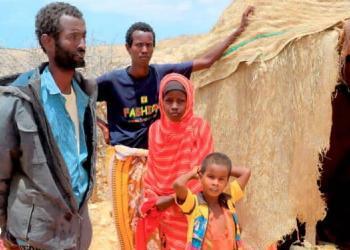
Abdullahi Hassan Abdi, 36, and his family of four have moved to Barey town in Ethiopia from Bakool. They moved due to the conflict and uncertainty in their home area.
They used to manage on a daily income of about 400 birr ($7.5), but with the rise in living costs they can only afford one meal with Abdullahi’s dwindling money.
“We don’t have the capacity to keep up with the prices; you can feel the burden in this area. We previously used to get breakfast, lunch and dinner. And now people are getting displaced,” he said.
Abdullahi used to work on construction sites and having left his work behind he is using his savings of about $500 to support his family.
“We are basically displaced, unemployed, and hit by inflation. Everything has gone haywire; we are worried we might even lose the single meal we get!” Abdullahi stated.
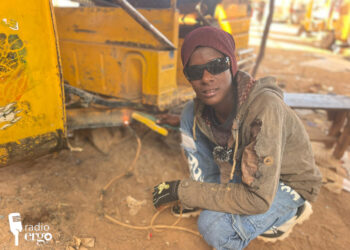
Dahir Ali, 38, moved his family of eight children 23 kilometres into the rural surroundings of Yeed, deciding not to cross into Ethiopia.
He was a tuk-tuk taxi driver but has no income now, as leaving home meant leaving his job. He is currently taking food on credit from some businessmen he knows although he admits this will be hard to repay.
“If loans help support your life it is worthwhile, but the prices are too high. People used to get goods from Baidoa, and the market was better, if you earn $70 the food costs would easily be covered. I could get the food on my tuk-tuk but the road has now been closed,” said Dahir.
“The tuk-tuk was an important source of income for me. More than half of the taxi drivers also gave up this service. The people who owned shops are now keeping the food stuff for their own families. There is unprecedented inflation, while the people have been forced to migrate,” said Dahir.
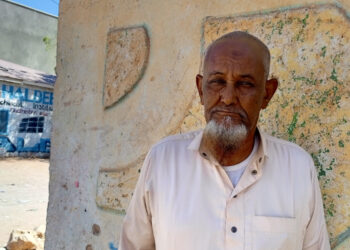
The inflation has also affected the suppliers of food stuff. Abdullahi Mohamed Adan, who owns a shop in Yeed district, said the conflict has brought displacement of his customers and a steep rise in food prices. He is now forced to source goods from Ethiopia, which makes overhead transport costs swell the retail prices he passes on to customers.
“The inflation has hit us hard as it affected business. I can say our business has gone down 40 per cent due to the displacement and conflict. The people have also lost their livestock and livestock markets are not working,” said Abdullahi.
The conflict is continuing leaving the displaced families facing ongoing uncertainty.