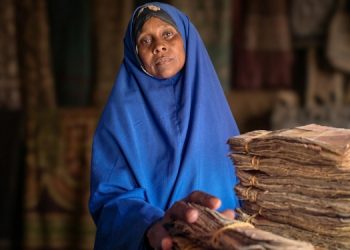


 To mark International Day for the Elimination of Violence against Women, Radio Ergo’s Fowzia Omar interviewed Muna Mohamed Dirshe, a women’s rights activist living in the Kenyan capital Nairobi. Muna described the kinds of violence facing Somali girls and women.
Muna: Somali women are exposed to different forms of violence including rape, female genital mutilation, early child marriage, child labour, sex for work, among other. It is very regrettable that young women and girls, who beat all odds in the war-torn environment to get education, are asked for sex in order to get employed.
Ergo: What evidence do you have about all these acts you cite? Have you met any of the victims?
Muna: I met several of them; it is really very unfortunate to see such behavior still exist within our community. Many raped girls can’t access medical centres for checkup or dare tell their parents to get guidance about their plight. I feel ashamed as a mother.
Ergo: You have extensively written about women’s issues. During your campaign, what were most shocking incidents you recorded?
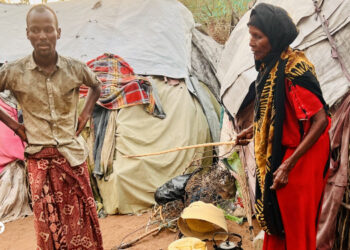
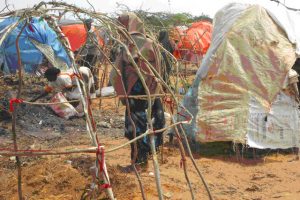
Muna: I met a raped woman who contracted HIV/AIDS as a result. She was later shunned by her family and she now lives in an IDP camp. It was also appalling to meet another rape victim whose interviewer was detained for the only reason he covered her story. This was very sad indeed.
Ergo: What is the most touching incident during your career as a researcher on violence against Somali women and girls?
Muna: I was very disappointed about the recent Human Rights Watch depicting the role of Somali men in the AMISOM soldier’s sex scandal. Somali men need to protect their women. They should play their role in ending violence against women and girls.
Ergo: Do you think Somali women are too shy to report or talk about sexual violence against them?
Muna: It could be said so, but there are big challenges that force them not to unveil. They are afraid for their lives. For instance when an official asks for sex in exchange for a job offer and you unveil the story, then probably you shamed him and he will kill you as a consequence.
Ergo: What is the message that you wish to convey to Somali people on the International Day for the Elimination of Violence against women and 16 days of activism?
Muna: I call upon our men to respect us by protecting our dignity because we mothered them and bred which is an important aspect of life.