(ERGO) – Ismahan (not her real name), a single mother living with HIV/AIDS in Somaliland, has been depending on food handouts for herself and her children, since another kind of deadly virus – Coronavirus – shut off her source of income.
She has been asking clinics in Hargeisa to assist her with porridge and other food for her seven children, ever since her small canteen selling tea and snacks closed when Coronavirus restrictions came into force in the city.
“I used to support my family with that business,” she told Radio Ergo. “There is no money in the city and there is a lot of stigma. If people were to find out about our health status, they’d probably not even give us firewood.”
Ismahan’s relatives disowned her when she tested HIV positive four years ago. She was infected by her husband, who has since died. Her youngest child is also positive.
“Our family has shunned us. They would rather we die than be associated with us or help us,” she said.
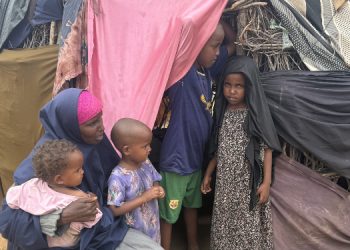
After being evicted from her house for failing to pay the $60 rent, she has been living in a hut she built of wood and discarded clothes on the outskirts of Hargeisa.
“Food prices keep rising and nobody will help you because everyone is struggling. They won’t even allow you into their house because they fear the Coronavirus,” she commented.
A doctor supporting people living with HIV/AIDS advised her to take extra precautions in public, due to her compromised immune system.
She has been receiving about 10kg of grain and 5kg of porridge from a clinic enabling her to cook one meal a day for her children. However, she had to disclose her HIV status to the clinic staff so they would help, and she now fears they may not keep it confidential in the neighborhood. (Radio Ergo has concealed her identity to protect her).
Ali Abdirahman Hugur, programme manager with a local HIV/AIDS support NGO, Talowadag, told Radio Ergo that this year has been the worst for those living with the old virus, HIV. Most have been hit hard by the economic downturn brought about by efforts to contain the new virus.
“Many of them had stalls at the market selling fruit and vegetables or small shops in the city, living hand to mouth each day, but while all businesses were impacted by Coronavirus, they still have the additional burden of paying for costly drugs and suffering in silence due to stigma,” Ali explained.
Talowadag has been seeing more and people with HIV/AIDS who are unable to make ends meet. In November, 80 patients came with their children to ask for food, but the NGO could not help them. The food distribution programme sponsored by Somaliland’s health ministry has ended.
Mahad Ali, a former soldier who has lived with HIV/AIDS for nine years, has withdrawn four of his nine children from school because he can no longer afford the $15 monthly fees.
He was earning $50 a month in a job sensitizing soldiers about HIV/AIDS prevention, but was laid off in government cutbacks when Coronavirus emerged. His other job as a broker, earning $20 to $30 in commissions on car and house sales, also ended.
“My earnings dropped the day Coronavirus came. Now I’m preoccupied by at least getting enough for my medicines and food for my children. Allah must be testing us with these tough times!” he commented.
Mahad’s family is now living on 197,000 Somaliland shillings ($23) he earns as a security guard at a health clinic. He also gets a basket of food, including flour, rice and cooking oil every month from the military.
He worries about the future for his nine children, none of whom is HIV positive, because he cannot afford their education or even to ensure the three meals a day and other things they used to expect.
According to Ali Abdirahman Hugur at Talowadag, those living with HIV/AIDS have been neglected by government and aid agencies, yet they are even more vulnerable than internally displaced people during the Coronavirus pandemic because they cannot even get food aid.