Radio Ergo - Somali Humanitarian News and Information
  • Home
  • Topics
    • Latest Stories
    • IDPS/Refugees
    • Natural Disasters
    • Health
    • Social
    • Food Security
    • Education
    • Agriculture & Livestock
  • Programmes
    • Locust Programme
    • Farming Programme
    • Radio Doctor Programme
    • Women Programme
    • Entertainment Programme
  • About Radio Ergo
  • Contact Us
  • blankEnglish
No Result
View All Result
Radio Ergo - Somali Humanitarian News and Information
  • Home
  • Topics
    • Latest Stories
    • IDPS/Refugees
    • Natural Disasters
    • Health
    • Social
    • Food Security
    • Education
    • Agriculture & Livestock
  • Programmes
    • Locust Programme
    • Farming Programme
    • Radio Doctor Programme
    • Women Programme
    • Entertainment Programme
  • About Radio Ergo
  • Contact Us
  • blankEnglish
No Result
View All Result
Radio Ergo - Somali Humanitarian News and Information
Home AGRICULTURE & LIVESTOCK

Somali camel herders in Hiran give up rural lifestyle for city camps

Radio Ergo by Radio Ergo
October 3, 2019
in AGRICULTURE & LIVESTOCK, LATEST STORIES
0
blank

Camels headed to livestock market for sale/File Photo

0
SHARES
Share on FacebookShare on Twitter

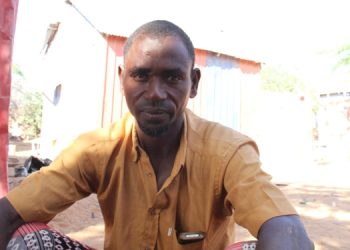
(ERGO) – Elmi Abdi Herow spent years as a traditional camel herder in the rural areas of Mataban, in central Somalia’s Hiran region.  But he gave up this rural lifestyle a year ago to set up a camel camp in the town of Beletweyne.

As business is good and life has become easier, he has not looked back since making this big change to his lifestyle.

“Rearing camels in the bush these days is risky as the trees have all been cut down for charcoal and firewood, which leaves the camels in danger of starvation,” Elmi told Radio Ergo.

“In camps, the cost of the food inputs are high, but so are the profits as the camels are more productive.”

Elmi set up Aaran camp after visiting successful camel camps in the northern city of Lasanod. His family moved with him to Beledweyne, where he makes $150-$180 (3.6 million Somali shillings) a day from milk sales.  He spends $100 on food and upkeep a day for the camels.

His 50 camels produce 80-100 litres of milk a day, which is sold at $1.60 per litre, mostly to small-scale local milk sellers.

It is a far more stable income than he used to get in Mataban, especially with drought becoming a perennial problem. Elmi, a father of 12, is able to afford the school fees for all his children.

There are now eight camel camps in Beletweyne, housing a total of 196 camels.

Ali Mohamud Abubakar brought his only remaining camel to the city from Takaraale, close to the Ethiopian border, in 2017 after the rest of the herd died in the drought. He set up Barwaqo camp in February 2018, with a loan of $16,000 from Dahabshiil Bank to build the camp and buy 20 more camels.

With good profits from milk sales, Ali has been repaying $500 of his loan every month.

The production from camel camps means there is an ample supply of milk year-round, despite the prevailing drought.

One challenge, however, is how to preserve the milk before it goes off. The camps do not have refrigeration facilities.  Owners say they are looking for companies to buy the milk wholesale.

“We can prepare the milk for them in the early morning, afternoon and even in the evening as well,” Elmi said. So far, no such companies have emerged.

Meanwhile, local consumers in Beletweyne are happy to have affordable milk. Abdi Elmi Noor, manager of Al-Amiin hotel in town, buys 30 to 40 litres a day to meet his hotel demands.

Yusuf Abdullaahi Aadan, a resident, buys milk from Barwaqo camp every day for his parents and children.

The camel camps have also created local employment among youth. Cali Noor Cali Salaad works at a camp for $150 a month, most of which he sends home to his parents. He told Radio Ergo that the work is easier than the traditional way of camel rearing.

“Here in the camp, there is not so much work, you have a lot of free time, and all you do is milk the camels,” he said.

“In the rural area, you take them to graze for 10 days, and sometimes even lose them to wild animals.  After 10 days grazing, you again take them to drink before bringing them back,” he said.
Previous Post

Somali women make good catch from fried fish sales in Kismayo

Next Post

Working Somali grannies keep destitute pastoralist families fed in Galmudug

Related Posts

Airstrikes wipe out livelihoods in Lower Shabelle farming village
FOOD SECURITY

Airstrikes wipe out livelihoods in Lower Shabelle farming village

April 17, 2026
Somalia live news, Somalia latest news, Mogadishu live news, Somali news
FF Feedback

Radio Ergo audience feedback report 9-15 March 2026

April 17, 2026
Hard-up Awdal farmers turn to gold digging
FOOD SECURITY

Jobless men turn to gold mining in Sanag region

April 16, 2026
Marginalised families in Puntland displacement camps face hunger, discrimination and neglect
FOOD SECURITY

Selling thatching grass in Bari valley provides new income for drought-hit families

April 15, 2026
School closes as UNICEF cuts funding leaving IDP children in Baidoa out of education
EDUCATION

Schools close across Galmudug due to drought

April 14, 2026
Drought-hit Lower Juba pastoralists flee towards the Somali-Kenyan border
IDPS/REFUGEES

Drought-hit Lower Juba pastoralists flee towards the Somali-Kenyan border

April 13, 2026
Next Post
Working Somali grannies keep destitute pastoralist families fed in Galmudug

Working Somali grannies keep destitute pastoralist families fed in Galmudug

FOLLOW US ON FACEBOOK

DAILY PROGRAMMES

IDAACADDA 21-APR-2026

IDAACADDA 21-APR-2026 by Radio Ergo

IDAACADDA 21-APR-2026
Episode play icon
IDAACADDA 21-APR-2026
April 21, 2026
Episode play icon
IDAACADDA 20-APR-2026
April 20, 2026
Episode play icon
IDAACADDA 19-APR-2026
April 19, 2026
Episode play icon
IDAACADDA 18-APR-2026
April 18, 2026
Episode play icon
IDAACADDA 17-APR-2026
April 17, 2026
Search Results placeholder
Radio Ergo Weekly Newsletter
We respect your privacy.
blank
blank
blank

© Copyright 2014 - 2024 Radio Ergo

No Result
View All Result
  • Home
  • Topics
    • Latest Stories
    • IDPS/Refugees
    • Natural Disasters
    • Health
    • Social
    • Food Security
    • Education
    • Agriculture & Livestock
  • Programmes
    • Locust Programme
    • Farming Programme
    • Radio Doctor Programme
    • Women Programme
    • Entertainment Programme
  • About Radio Ergo
  • Contact Us
  • blankEnglish

© Copyright 2014 - 2024 Radio Ergo