Radio Ergo - Somali Humanitarian News and Information
  • Home
  • Topics
    • Latest Stories
    • IDPS/Refugees
    • Natural Disasters
    • Health
    • Social
    • Food Security
    • Education
    • Agriculture & Livestock
  • Programmes
    • Locust Programme
    • Farming Programme
    • Radio Doctor Programme
    • Women Programme
    • Entertainment Programme
  • About Radio Ergo
  • Contact Us
  • blankSomali
  • blankEnglish
No Result
View All Result
Radio Ergo - Somali Humanitarian News and Information
  • Home
  • Topics
    • Latest Stories
    • IDPS/Refugees
    • Natural Disasters
    • Health
    • Social
    • Food Security
    • Education
    • Agriculture & Livestock
  • Programmes
    • Locust Programme
    • Farming Programme
    • Radio Doctor Programme
    • Women Programme
    • Entertainment Programme
  • About Radio Ergo
  • Contact Us
  • blankSomali
  • blankEnglish
No Result
View All Result
Radio Ergo - Somali Humanitarian News and Information
Home AGRICULTURE & LIVESTOCK

Somali coffee farmers vexed by poor roads and transport in mountain areas of Sanag

Radio Ergo by Radio Ergo
July 10, 2019
in AGRICULTURE & LIVESTOCK, LATEST STORIES
0
blank

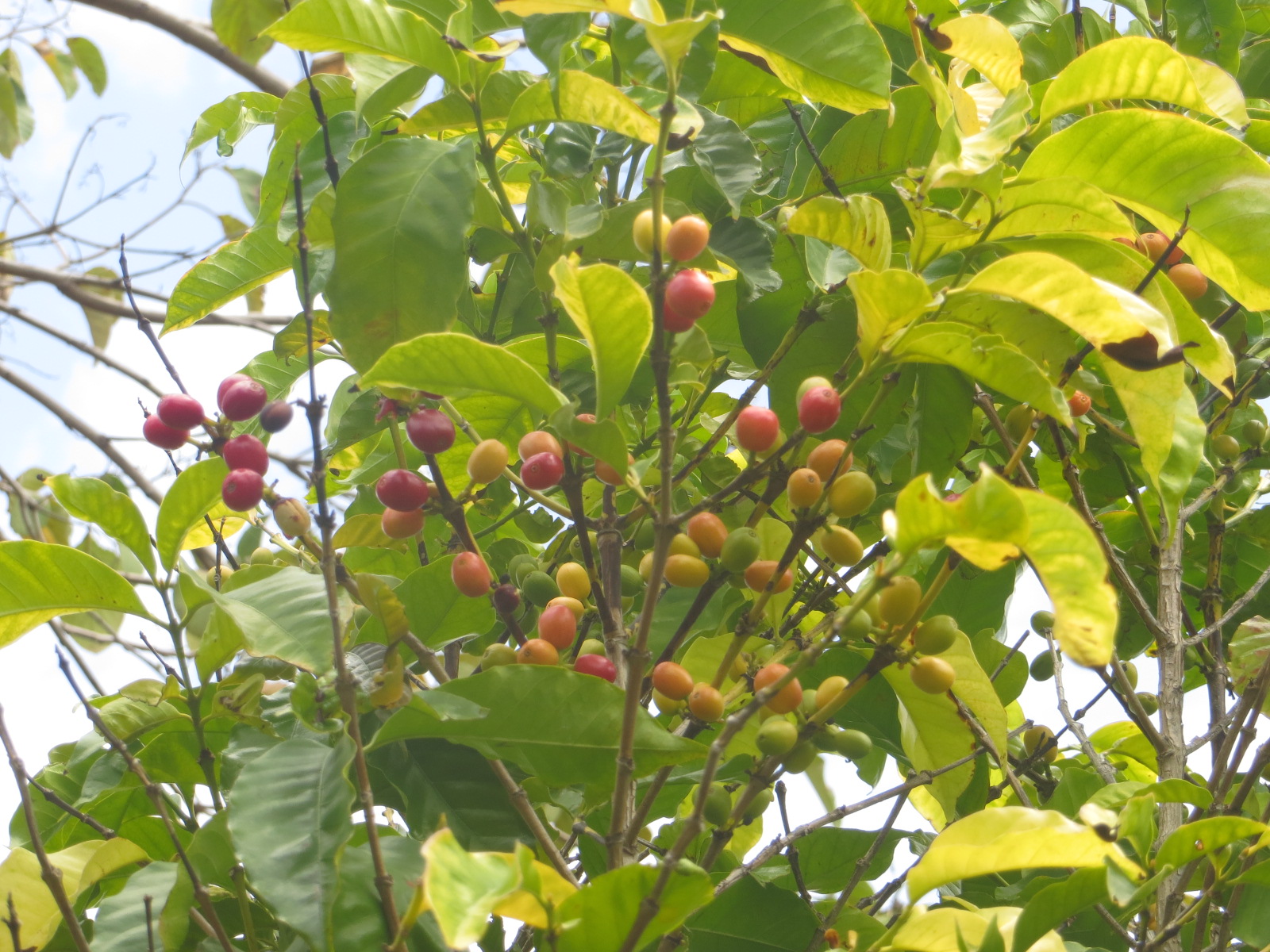
File photo/Ergo

17
SHARES
Share on FacebookShare on Twitter

(ERGO) – Rough terrain and impassable roads are reducing profits for small scale Somali coffee farmers in Sanag region. 

The farmers in the Al–Madow mountain range, stretching west from Bossaso to the northwest of Erigavo, are forced to use donkeys to transport their coffee beans to an accessible transit point, where they pay commercial lorries for onward transport to the northern port city of Bossaso. 

Mukhtar Abdullahi Isse, who lives in Dadan village, has two plots measuring 2.5 hectares with 5,000 coffee trees. He inherited the farm from his parents and has been growing coffee for 18 years. 

“This year we are hoping to get a good harvest as the area received adequate rainfall. After selling this produce, I expect to make $5,000–6,000 from each plot,” he said. 

However, Mukhtar could be earning much more if transportation was more efficient. 

He uses three donkeys to take his produce to Markad, the transit village, 35 km away. 

“The mountain terrain is rough with narrow steep cliffs so we only load two 30 kg bags on to each donkey and we try to balance them to avoid them falling off,” he explained. 

This year, Mukhtar has harvested 70 bags of coffee beans. It costs $8 per bag for the lorry transport to Bossaso. He has paid to send 20 bags so far to Bossaso but the vehicles are few and he is having to wait a long time to ship the rest. 

Ismail Muse, another coffee farmer in Mayer, depends on two donkeys to carry his bags of coffee beans the 50 km from his farm to Markad. This season, he harvested 48 bags. 

“There is no way through the mountains where my farm is located, so I have to use my donkeys to take the bags to the village for transportation to Bossaso,” he said. 

Ismail told Radio Ergo that farmers sell one kg of coffee at $2 to middlemen in Bossaso, who resell it for $5 to consumers. 

There are over 60 coffee farms in the villages in Lasqoray district that use Markad as the transit for transport to the main market in Bossaso, around 200km away.  

Puntland’s State Minister for Agriculture, Abdirashid Ali Gelle, said the government planned to improve roads and transportation in the region. 

“We are committed to constructing roads in those areas and that is one of our priorities. We want to encourage the farmers to increase their production to reduce imports,” he said. 
Previous Post

Somaliland farmers happy with skills training by agricultural students

Next Post

Displaced and disabled –how families struggle for a dignified existence in IDP camps in Somalia

Related Posts

Community awareness jobs are cut across Galkayo IDP camps
FOOD SECURITY

Community awareness jobs are cut across Galkayo IDP camps

July 22, 2026
blank
HEALTH

Acute watery diarrhoea claims lives among drought-hit rural families in Kismayo

July 21, 2026
Displaced women carpenters turn the tables and make an independent living in Baidoa
FOOD SECURITY

Displaced women carpenters turn the tables and make an independent living in Baidoa

July 17, 2026
Somalia live news, Somalia latest news, Mogadishu live news, Somali news
FF Feedback

Radio Ergo audience feedback report 9-15 July 2026

July 17, 2026
Hargeisa piped water expansion puts humble donkey cart vendors out of work
FOOD SECURITY

Hargeisa piped water expansion puts humble donkey cart vendors out of work

July 16, 2026
Pests and disease lay waste to family farms in western Somaliland’s Salil region
AGRICULTURE & LIVESTOCK

Combination of locusts and water shortage devastate Mudug farmers

July 15, 2026
Next Post
Somalia live news, Radio Ergo news, Somali live news, Humanitarian news, IDPS,

Displaced and disabled –how families struggle for a dignified existence in IDP camps in Somalia

FOLLOW US ON FACEBOOK

DAILY PROGRAMMES

IDAACADDA 01-AUG-2026

IDAACADDA 01-AUG-2026 by Radio Ergo

IDAACADDA 01-AUG-2026
Episode play icon
IDAACADDA 01-AUG-2026
August 1, 2026
Episode play icon
IDAACADDA 31-JUL-2026
July 31, 2026
Episode play icon
IDAACADDA 30-JUL-2026
July 30, 2026
Episode play icon
IDAACADDA 29-JUL-2026
July 29, 2026
Episode play icon
IDAACADDA 28-JUL-2026
July 28, 2026
Search Results placeholder
Radio Ergo Weekly Newsletter
We respect your privacy.
blank
blank
blank

© Copyright 2014 - 2024 Radio Ergo

No Result
View All Result
  • Home
  • Topics
    • Latest Stories
    • IDPS/Refugees
    • Natural Disasters
    • Health
    • Social
    • Food Security
    • Education
    • Agriculture & Livestock
  • Programmes
    • Locust Programme
    • Farming Programme
    • Radio Doctor Programme
    • Women Programme
    • Entertainment Programme
  • About Radio Ergo
  • Contact Us
  • blankSomali
  • blankEnglish

© Copyright 2014 - 2024 Radio Ergo