Radio Ergo - Somali Humanitarian News and Information
  • Home
  • Topics
    • Latest Stories
    • IDPS/Refugees
    • Natural Disasters
    • Health
    • Social
    • Food Security
    • Education
    • Agriculture & Livestock
  • Programmes
    • Locust Programme
    • Farming Programme
    • Radio Doctor Programme
    • Women Programme
    • Entertainment Programme
  • About Radio Ergo
  • Contact Us
  • blankEnglish
No Result
View All Result
Radio Ergo - Somali Humanitarian News and Information
  • Home
  • Topics
    • Latest Stories
    • IDPS/Refugees
    • Natural Disasters
    • Health
    • Social
    • Food Security
    • Education
    • Agriculture & Livestock
  • Programmes
    • Locust Programme
    • Farming Programme
    • Radio Doctor Programme
    • Women Programme
    • Entertainment Programme
  • About Radio Ergo
  • Contact Us
  • blankEnglish
No Result
View All Result
Radio Ergo - Somali Humanitarian News and Information
Home AGRICULTURE & LIVESTOCK

New grass offers hope for livestock herders in Somaliland

Hemed Abdiaziz by Hemed Abdiaziz
November 10, 2017
in AGRICULTURE & LIVESTOCK, LATEST STORIES
0
New grass offers hope for livestock herders in Somaliland
0
SHARES
Share on FacebookShare on Twitter

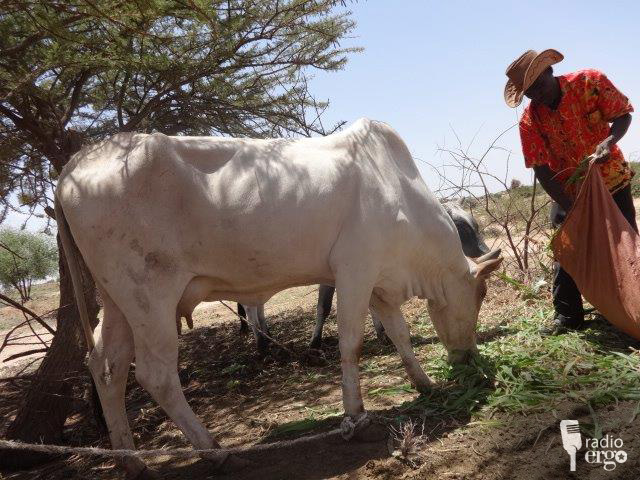
A new type of grass introduced to agro-pastoralists in Somaliland is showing signs of success as a way of keeping livestock fed under drought conditions.

The grass seeds, imported from Colombia, are resilient to hot climates and require little water to grow. Seeds were given to 35 families to grow over a two-year period in Arabsiyo, Huluk, Agasmaha, Gal-dawo, El-baxay and Lafta-tiin villages in Gabiley, 45 km west of Hargeisa.

According to scientists from the International Centre of Insect Physiology and Ecology (ICIPE), the Kenya-based research institute leading the project, the grass is more nutritious for livestock than other local vegetation and reduces the costs to herders of providing livestock feed when drought occurs.

“This type of grass, called Barakariya, thrives in hot, dry areas. It is different from local types and it can grow in a week or two. It has other benefits as well as it does not need much water and it can withstand drought. We have introduced it hoping it can bring resilience among the people,” said Dr Mohamed Hassan Mohamud, ICIPE project director.

Abdikadir Aw-Mohamud Ahmed planted the new grass to try to keep the remainder of his herd alive. Only eight of his cows survived the drought but he said they are now thriving.

“Since I planted the grass the cows are getting healthier and stronger, three of them are pregnant and I can get up to five litres of milk a day. This is all because of the constant pasture the livestock have got now,” Abdikadir said

Farhan Ibrahim Yusuf, another agro-pastoralist, told Radio Ergo’s local reporter that he spent $400 feeding his livestock last year and could not afford it again. The new grass has saved him a lot of money.

“The cows are producing abundant milk, whenever they eat they become full in no time. They don’t need much now and the grass doesn’t need a lot of labour, it grows as soon as you plant it,” he said.

Families can access the grass seeds free of charge from the Ministry of Livestock in Somaliland. Word is spreading to other regions.

Dr Mohamed said the preliminary stage of testing the grass has been successful.

“We have seen the benefits of the grass and it is doing well in the country. It has saved livestock and it is cheap. We want to spread it to rest of the country based on the success of this phase,” he said.


Previous Post

From herding to fishing – tough transition for Mudug’s destitute pastoralists

Next Post

Free school places given to displaced pastoralist children in Mudug

Related Posts

Aid cuts and lack of jobs leave displaced mothers in Dusamareb camp unable to feed their children
FOOD SECURITY

Aid cuts and lack of jobs leave displaced mothers in Dusamareb camp unable to feed their children

February 11, 2026
Pastoralists with nothing left descend on Lasanod town and surroundings in Sool
AGRICULTURE & LIVESTOCK

Pastoralists with nothing left descend on Lasanod town and surroundings in Sool

February 10, 2026
Cooperative business brings steady income to IDPs in Baidoa camp
FOOD SECURITY

Cooperative business brings steady income to IDPs in Baidoa camp

February 9, 2026
Women leaving their children behind in drought-hit rural villages to seek jobs in Mogadishu
FOOD SECURITY

Women leaving their children behind in drought-hit rural villages to seek jobs in Mogadishu

February 7, 2026
Somalia live news, Somalia latest news, Mogadishu live news, Somali news
FF Feedback

Radio Ergo audience feedback report 29 Jan- 4 Feb 2026

February 6, 2026
Rising Cost of Living
FOOD SECURITY

Losses in market fire and aid cuts throw IDPs in Dollow into crisis

February 5, 2026
Next Post
Iskuullo ku yaalla Gaalkacyo oo waxbarasho bilaash ah siinaya carruurta qoysaska soo barakacay

Free school places given to displaced pastoralist children in Mudug

FOLLOW US ON FACEBOOK

DAILY PROGRAMMES

IDAACADDA 13-FEB-2026

IDAACADDA 13-FEB-2026 by Radio Ergo

IDAACADDA 13-FEB-2026
Episode play icon
IDAACADDA 13-FEB-2026
February 13, 2026
Episode play icon
IDAACADDA 12-FEB-2026
February 12, 2026
Episode play icon
IDAACADDA 11-FEB-2026
February 11, 2026
Episode play icon
IDAACADDA 10-FEB-2026
February 10, 2026
Episode play icon
IDAACADDA 09 -FEB-2026
February 9, 2026
Search Results placeholder
Radio Ergo Weekly Newsletter
We respect your privacy.
blank
blank
blank

© Copyright 2014 - 2024 Radio Ergo

No Result
View All Result
  • Home
  • Topics
    • Latest Stories
    • IDPS/Refugees
    • Natural Disasters
    • Health
    • Social
    • Food Security
    • Education
    • Agriculture & Livestock
  • Programmes
    • Locust Programme
    • Farming Programme
    • Radio Doctor Programme
    • Women Programme
    • Entertainment Programme
  • About Radio Ergo
  • Contact Us
  • blankEnglish

© Copyright 2014 - 2024 Radio Ergo